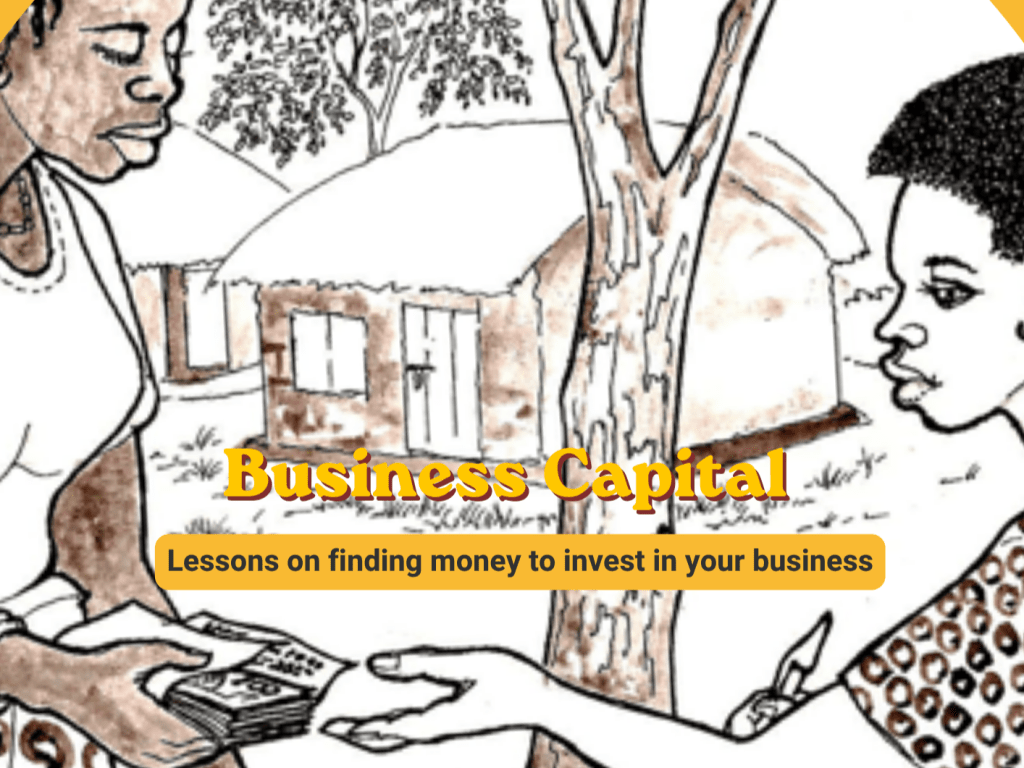
Crippling cost of borrowing seems the norm in Uganda, especially in rural areas.
“Some of the SACCO (savings and credit cooperative organization) managers, for example, charge their members as high as 25 percent on loans. Such high interest impedes access to cheap loans in the country.” Minister of State for Micro Finance, Haruna Kasolo Kyeyune quoted by the Cooperator (Source)
The Case of the Parish Development Model Program
Do targeted Parish Development Model (PDM) borrowers fully appreciate the possibility that failure to pay back on time may result in compound interests that may triple or more the amount that they have to pay back?
If they are fully aware of the whole picture of the cost of borrowing PDM funds, then they have chosen to look the other way.
In the alternative, it is feasible that they know the full picture and have already prepared to defend their decision not to pay back the loan and the cost of borrowing PDM funds.

Loans as they are structured and costed current, and generally in Uganda, can’t bail out our rural poor. I thought so decades ago and I still do.
I mean, if a rich businessman, who can afford highly schooled lawyers to advise him, failed to pay back the loan he took and its costs.
How about the rural poor without significant business acumen and capital, those for whom PDM loans are targeted?
The Case of Hamis Kiggundu
At first, I thought it was a case of electronic fraud.
I thought employees or owners of Diamond Trust Bank (DTB) in Uganda and Kenya had clandestinely fleeced funds from bank accounts of businessman Hamis Kiggundu.
Kiggundu alleges DTB Uganda illegally deducted 85 billion shillings from his account; and similarly DTB Kenya illegally deducted 34 billion shillings from his account.
According to media reports, Kiggundu has made or is making attempts to recover 120 billion shillings from DTB of Uganda and of Kenya.
Kiggundu acknowledges borrowing the money. As, indeed, Red Pepper reports that from 2011 to 2016, Kiggundu borrowed from DTB loans totaling 41 billions shilling.
Judging from the practice in Uganda where banks lend with high, double digit, interest rates, it is feasible to understand how come he borrowed 41 billion shillings and the banks recovered from him 120 billion shillings.
Be that as it may, what interests me the most is the justification that Kiggundu gives for his move to recover back his money. He insists he did not know that he had borrowed from a bank, DTB Kenya, not licensed to operate in Uganda.
His logic seems that because DTB Kenya is not licensed to operate in Uganda, he should not have to pay back what he borrowed and or agreed to pay back.
I find it difficult to believe that at the time of borrowing, Kiggundu did not know DTB Kenya was not licensed to operate in Uganda.
I suspect he did know, but , on paper, the deal was too good to look the other way and take the money.
Reality knocks. The deal is not as good and has in fact gone south. The loan Kiggundu took has become more of a liability to him than an engine of his business growth and development.






Let’s Chat…