
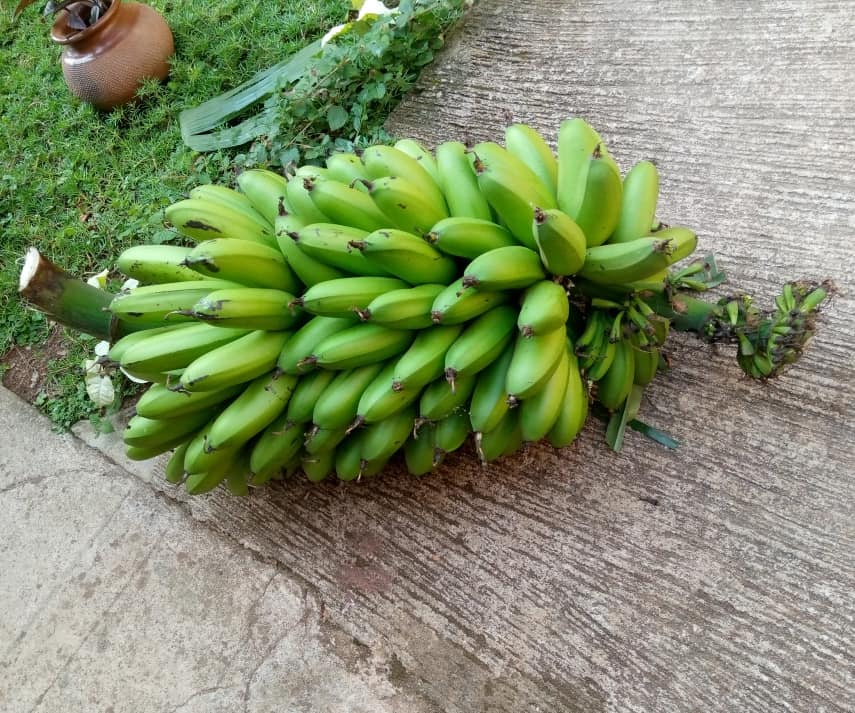
“Uganda is Africa’s largest producer of green bananas … Uganda earns $6.5 million in banana exports,” posted Edris Kigundu on his X profile @ekiggundu. His post, a comparative analysis in which he shared that India is the largest producer of green bananas in the world, followed by China, and Uganda is third.
The tone of the ensuing conversation on X as triggered by Kiggundu’s post is that Uganda could do better to tap into the green banana market globally.
“Our government must do more to support farmers, particularly, in the production and marketing of green banana,” one engaging by the name “Jobless Ugandan” advocated.
While William Lwanga questioned: “Have we made effort as Ugandan industrialists to advocate for value addition for these matooke (cooking green banana) crops, so that it can be processed and packaged better to be exported to other countries, even raise its demand at home?”
It reminded me of my submissions during a debate over a decade ago, in 2015, with then Ambassador Kintu Nyago and renowned civil society activist Mr. Godber Tumushabe.
My submission then remains relevant to this conversation on X “talking trade in green bananas” triggered by Kiggundu’s post. In 2015, I submitted:
Uganda failed matooke economics symptoms of powerless African Union
They say we cannot export fresh matooke to the United States (US). Why?
US blocks our fresh matooke from its market, in favor of its importers of bananas from Latin America. And so, US labels our bananas as ‘problematic’ – as likely to bring in unwanted pests, blah, blah.
Really, how ‘problematic’ are our bananas?
Anyway, that is how we end up with the “Presidential Initiative on Banana Industrial development (PIBID)”.
In order to export matooke to the US, we first have to turn it into powder or we peel and freeze it, something or rather.
Sincerely, who is going to eat powdered matooke in Uganda?
The taste of powdered matooke is culturally unacceptable to many Ugandans who enjoy eating matooke. No wonder the PIBID failed, but after it had chewed up billions of shillings.
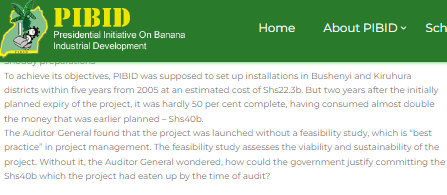
It was a “white elephant” from its very beginning.
Read more in “Presidential banana initiative an example of why government programmes fail,” published on the PIBID website.
Indeed, I agree that there are countries which have developed on agriculture, such as Denmark, Netherlands, and others; and they are exporting their stuff here to Uganda.
But if you go to those countries you will be hard pressed to find our fresh Ugandan produced products there; and or in the same volume as we find their products here in Uganda.
Global unfair trade is there for all to see.
We, in Uganda, are busy importing things from the US from state subsidized farmers of the US or from state subsidized farmers from the European Union (EU). A clear indication that our African Union (AU) is not succeeding.
AU needs to do exactly as the EU does and stop certain products from entering our borders, if the other unions continue to block products from Africa from their respective markets.
Our position should be, for example, if the wheat which is making chapatti is not being produced here in Uganda or another African country, we should not eat chapatti and instead eat kabalagala made out of our home grown cassava.
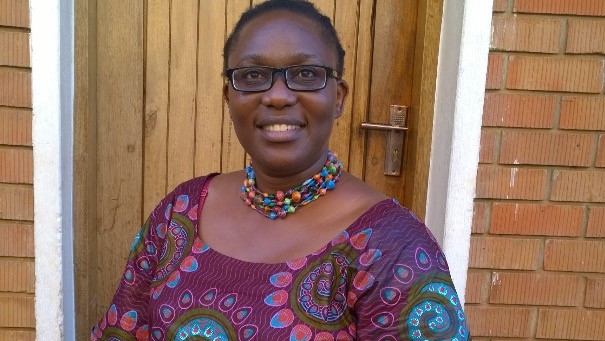
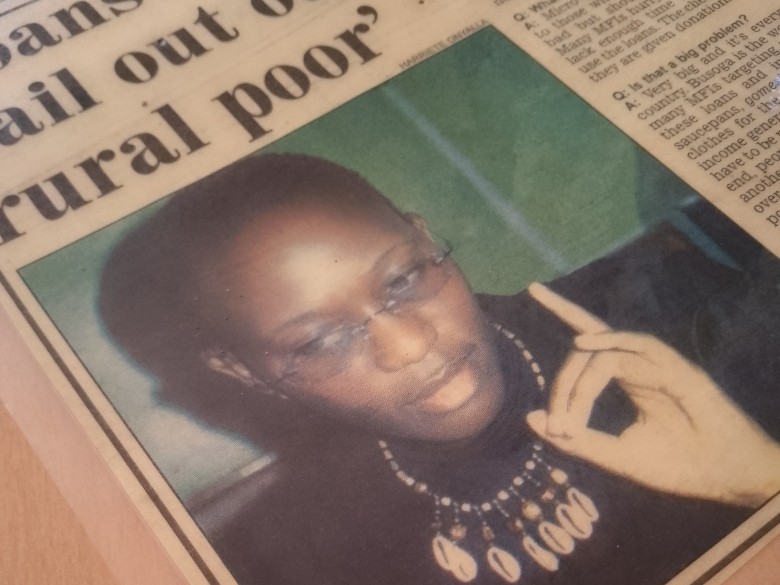
On the evening of 2nd February 2015, on Spectrum on Radio One FM90, I had the honour to debate two distinguished African leaders – Ambassador Kintu Nyago who was the Deputy Head of the Uganda Mission at the UN and Mr. Godber Tumushabe who was the Associate Director at the Great Lakes Institute for strategic studies; which debate was moderated by Mr. Edmond Kizito. How interesting that my views that I shared then, herein contained, remain even the more relevant today.





 the Humanist view
Let’s Chat…