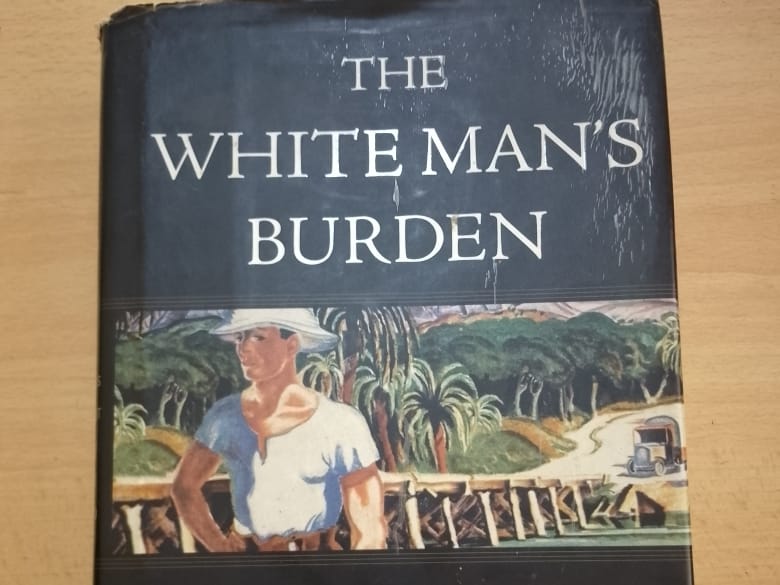
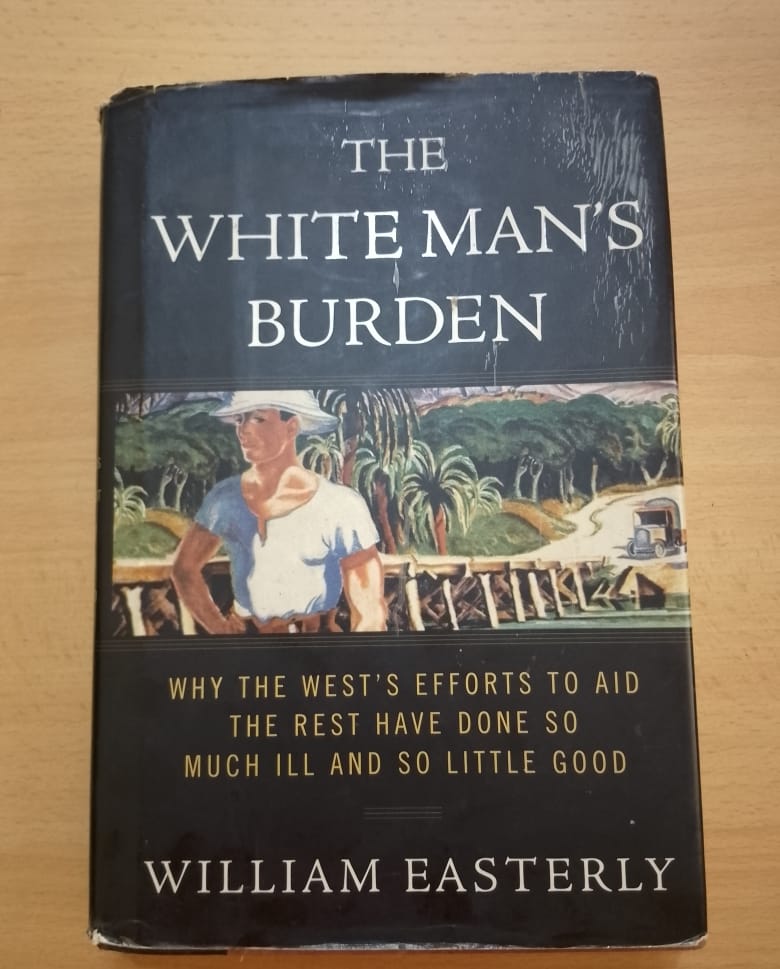
In light of what is happening current in our world, me thinks Easterly’s “The White Man’s Burden” is among those books that deserves a sequel.
“We preach a gospel of freedom and individual accountability, yet we intrude on the inner workings of so-called developing countries through bloated aid bureaucracies like the IMF and World Bank that are accountable to no one for the effects of their prescriptions.”
Two decades later, I think it would be good to read the sequel, in light of the happenings in the Sahel Region, particularly so Burkina Faso.
“Could it be that we don’t know as much as we think we do about the magic spells that will open the door to the road to wealth?”
Does the answer to this question, perhaps, explain why the seeming resurgence of a wave of the New York Mayor Mamdani’s brand of democratic socialism?
Does it herald the beginning of the end of the ‘neo-liberal free-markets economic model’ as we have known it in the last two decades?
I would be interested in reading such a sequel that interrogates and answers questions such as these herein asked.






Let’s Chat…