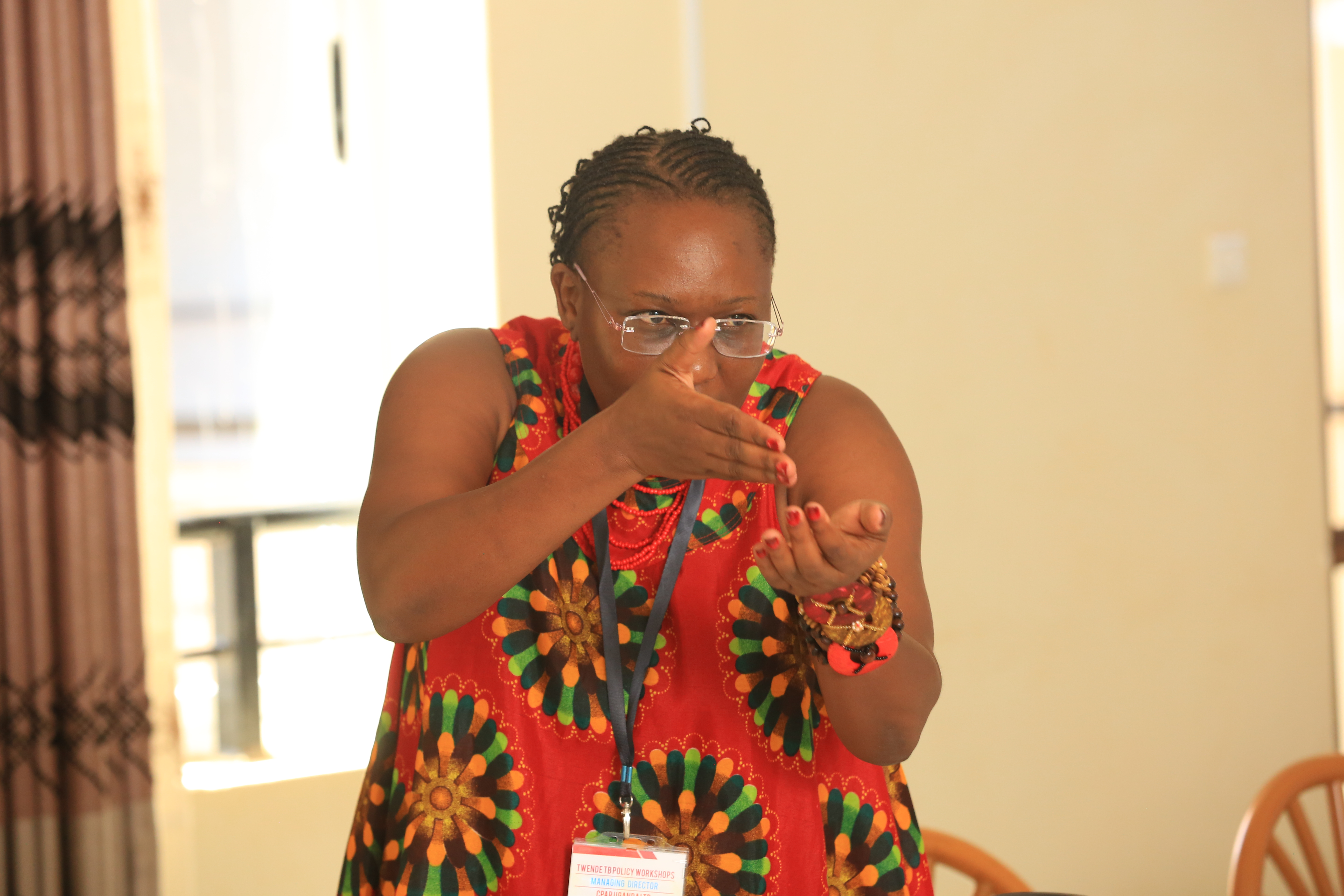
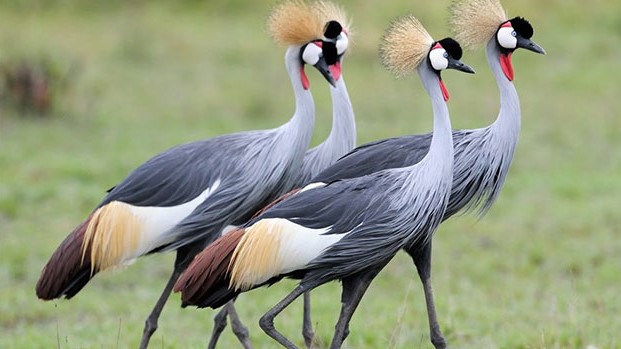
 “Ethnicity will always be a key element in Uganda’s political organizing. We identify more with our ethnicity than with ‘Ugandaness’.” Maria Alesi
Combined into one book, “The Uganda Independence Act (1962)”, and the “Uganda (Independence) Order in Council (192)”, is a book for which I would love to re-write the ending.
These two documents established our nation-state Uganda in a manner that is dismissive and undermines the owners of Uganda, the first nations of Uganda.
How I wish our first nations had insisted on transition out of British Colonial rule in a manner similar to “The Declaration of Independence” of United States of America; albeit the first nations of the US were excluded.
A negotiated and self-determined declaration by the first nations of Uganda, is my preference.
In which case, “The Common Man’s Charter (1969)”, as it is described by Monitor as “The UPC Charter that meant to make Ugandans equal,” is the kind of document I have in mind, at the very least.
“Advocating for a stance against exploitation of the poor by the rich.”
In hindsight, the fears of our ancestors, who authored The Common Man’s Charter, have come true, sadly. Specifically, the fear that:
“There is the danger that economic development could be unevenly distributed as between regions of the Country. In such a situation political power will be in the hands of the rich and the maximum the government will do for the poor will be paternalism, where the lot of the masses will be not only to serve the well to do, but to be thankful on their knees where opportunity rises … (source Monitor)”
If wishes were book-ending re-writes, I would re-write the ending of Uganda’s independence transitions documents, to have legal force and recognition only in Britain.
Uganda’s self-governance should be negotiated and authored its first nations.






Let’s Chat…