Looking within to find solutions that pertain to our problems rather than looking without to imitate ‘developed nations’ is the way to go.

We have different cultures.

Cattle

In many ‘developed nations’ for example, cattle are raised for only one purpose and that is for financial gain.

Whereas, in comparison, in some of our cultures in Uganda, cattle are looked at as prestige.

Handheld Hoe

For those who say:

“We may have to invest more on quality of education, so that we can have people who can competently use their brains rather than the hoes.”

Is there any agricultural invented tool, by those using their brains competently, that can till such a terrain as Uganda that produces most of the food eaten all over Uganda and beyond using nothing but a hoe?

Aflatoxins

President Museveni is talking about Aflatoxins.

“The president warned against dangers of aflatoxins produced by certain molds found in food, and can cause liver damage and cancer. To control aflatoxins, Mr Museveni recommended proper food management, storage and handling.” source @ Daily Monitor

It becomes apparent that the president is not fully conversant with biodiversity decline repercussions, which include increase of aflatoxins.

Aflatoxins will be exacerbated with monoculture that is part and parcel of Genetically Modified Organisms (GMOs) that the National Research Organization (NARO) and Monsanto are promising as the solution.

Any Chemical Fungicides on the market harm the environment and humans.

So why not use natural or organic Fungicides to combat Aflatoxins and Wilt like it was done for a long time?

For example:

“Using the leaf extract of the ornamental plant Impatiens Balsamina as a cure for the deadly Fusarium banana wilt, Davao teen wins in Intel Fair with cure for banana disease.” source @ GMA News

To preserve beans, maize etc., from being infested with weevils, my mother never used chemicals. Ash is all she used. Mixed Ash with crops or seeds and stored them for years safely.

And when time to eat them came, just washed ash off. There you had a meal free of toxins from any chemicals or aflatoxins.

Recommended Reading

 Recommended: Great Natural Pesticidal and Fungicidal Recipes.

Organic Funcicides for the Home Gardener
Guide to Organic Pesticides

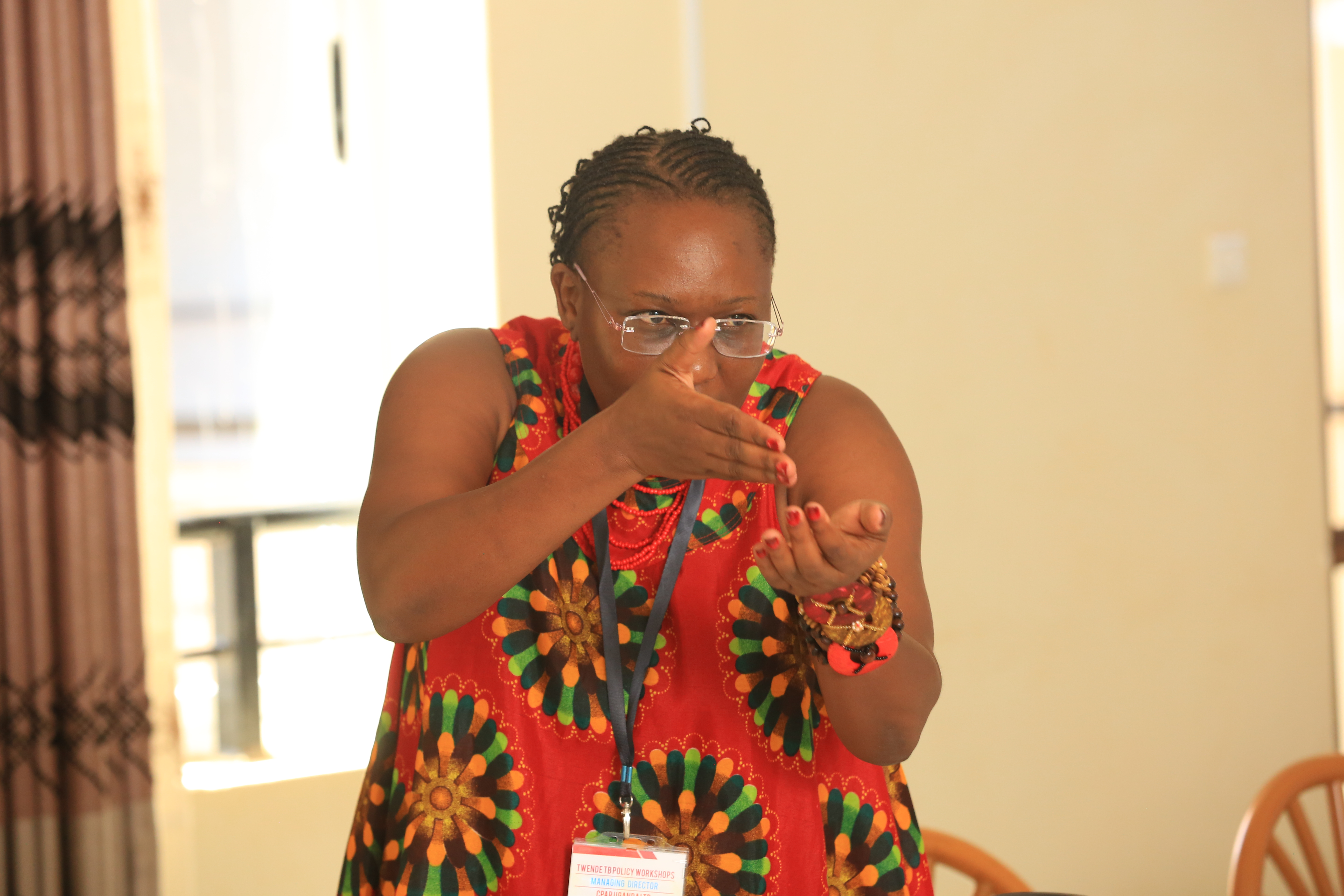
Civic activism rooted in humanism is the mission of blogger Owaraga NorahThe contet of this post are comments “Bedsireadings” in reaction to a presentation that was delivered by Ms. Agnes Kirabo, Executive Director of Food Rights Alliance at the Joint Agricultural Sector Annual Review (JASAR) that was organized by the Ministry of Agriculture Animal Industry and Fisheries (MAAIF)  and that was held from 29th to 30th August 2016 at Speke Resort Hotel Munyonyo. The presentation was voice recorded and transcribed by Ms. Norah Owaraga, Managing Director of CPAR Uganda Ltd. In her presentation Ms. Kirabo clarified that she was invited to share the experiences of non-state actors, especially civil society and NGOs (non-governmental organizations) and that was composition of the group that met several months in preparation for this important event. She also, on behalf of the non-state actors, commend the Government of Uganda, through MAAIF for opening up the window and the door at the same time to provide non-state actors with a platform to equally participate in the conference. She shared the role of CSOs (civil society organizations) and NGOs – providing a supplementary role to the GOU; and carrying out the watch dog function.

3 responses to “Indigenous agricultural knowledge of Uganda”

  1. […] UGANDA NON-STATE ACTORS ON AGRICULTURE […]

    Like

  2. Norah, thanks again for bringing us this great speech from Ms. Agnes Kirabo.

    Agnes, kudos for not shying away from sensitive critical issues that need to be addressed, doing so both diplomatically and with honesty. Your suggestion of looking within to find solutions that pertain to our problems rather than looking without to imitate developed nations is the way to go because as you mentioned, we have different cultures, while in a developed nation cattle are raised for only one purpose and that is for financial gains, while in some of our cultures cattle are looked at as prestige.
    My suggestion is that you expand on each of those topics which you couldn’t do due to time constraints placed upon you, and post the article on a website, please.

    Among many critical points you made is “Consensus as far as Research Agenda is concerned.”

    Agnes, let me mention that for those who say that “We may have to invest more on quality education so that we can have people who can competently use their brains rather than the hoes,” I would like to know of any agricultural invented tool by those using their brains competently that can till such a terrain as this that produces most of the food eaten allover Uganda and beyond using nothing but a hoe: http://www.hulutrip.com/news/201601/238065.html

    For more details: https://bedsidereadings.com

    Liked by 1 person

  3. I see that president Museveni is talking about Aflatoxins.
    “The president warned against dangers of aflatoxins produced by certain moulds found in food, and can cause liver damage and cancer. To control aflatoxins, Mr Museveni recommended proper food management, storage and handling,” it becomes apparent that the president is not fully conversant with the biodiversity decline repercussions which include increase of aflatoxins. – http://www.monitor.co.ug/News/National/President-Museveni-aflatoxins-Kamuli-/688334-3417490-15abfinz/index.html

    Again as far as Aflatoxins, they will be exacerbate with monoculture that is part and parcel of GMOs that NARO and Monsanto are promising as the solution. Any Chemical Fungicides on the market harm the environment and humans. So why not use Natural/Organic Fungicides to combat Aflatoxins and Wilt like it was done for a long time? http://faq.gardenweb.com/discussions/2766356/what-are-some-great-natural-pesticidal-and-fungicidal-recipes

    Click to access FS128E.pdf

    https://www.motherearthnews.com/organic-gardening/organic-pesticides-zmaz94fmzraw

    Using the leaf extract of the ornamental plant Impatiens balsamina as a cure for the deadly Fusarium banana wilt, Davao teen wins in Intel Fair with cure for banana disease – http://www.gmanetwork.com/news/story/312581/scitech/science/davao-teen-wins-in-intel-fair-with-cure-for-banana-disease

    Note: To preserve Beans, maize etc from being infested with weevils, my mother never used chemicals. Ash is all she used. Mixed Ash with crops/seeds and stored them for years safely and when time to eat them came, just washed ash off. There you had a meal free of toxins from any chemicals or aflatoxins.

    Here is untold story: “Emphasizing on dangers Aflatoxins which could be easily handled by other means, is a new tactic of making Monsanto sound as if it has solutions to combating root causes of diseases killing poor Africans after being kicked out out of Burkina Faso for creating more problems than solutions.”

    Analyze the second sentence in the first paragraph of the linked article by Monsanto’s researcher, Dr. Bruce Hammond, which goes as follows: “Produced (aflatoxins) by certain fungi that grow on corn, this contaminant is a known human carcinogen that especially threatens food safety in the developing world and can potentially cause the loss of hundreds of millions of dollars in the United States each year.”

    Then check out this in the third paragraph, “The new varieties could contribute to the reduction of the worldwide threat of the deadly toxin, improve food quality in developing countries and increase corn yield for food and in the United States.” – https://www.eurekalert.org/pub_releases/2008-04/acs-ffr031108.php

    Very ironic that Monsanto’s employee says (3rd paragraph from the bottom of the linked article) that:

    “These preliminary results are encouraging, and we look forward to more trials performed under a variety of environmental conditions to show that these reductions are reproducible,” said Hammond. – https://www.eurekalert.org/pub_releases/2008-04/acs-ffr031108.php

    And last year Dr. Kiggundu says (fourth paragraph in the linked article) that: “We’ve tested them in the field twice, and they still hold to that resistance. We are going to go to the next level and test these plants in different areas in Uganda, so that we see that there’s no environmental influence on the expression or the efficacy of those genes.” – http://www.monitor.co.ug/Magazines/Farming/Farmers-tell-government-to-give-GMOs-a-chance/689860-2588424-vxdsuuz/index.html

    To divert the public from such failures as, “VORACIOUS WORM EVOLVES TO EAT BIOTECH CORN ENGINEERED TO KILL IT,”- https://www.wired.com/2014/03/rootworm-resistance-bt-corn/

    and, “African caterpillars resistant to GM maize” – https://www.sciencedaily.com/releases/2013/09/130919140742.htm

    Monsanto is left with no choice but to talk of solving the problem of aflatoxins in corn which may combat borer worm as a secondary benefit of their new GMO corn!

    Liked by 1 person

Let’s Chat…

RECOMMENDED

Discover more from the Humanist view

Subscribe now to keep reading and get access to the full archive.

Continue reading