

Why do you emphasize training instead of financial assistance?
We are addressing why they lack capital.
Our product is a countrywide training and capacity building programme in business skills and management.
We have found that rural folk have the resources they need to start a business or improve their incomes.
What about micro-finance institutions (MFIs)?
Micro-finance institutions give loans to those who lack funds.
Loans are not bad, but should be given in context.
Many MFIs hurry to give out loans and lack enough time to prepare people to use the loans. The clients end up thinking they are given donations.
Is that a big problem?
Very big and it’s everywhere in this country.
Busoga is the worst hit, with too many MFIs targeting women. They get these loans and invest in things like saucepans, gomesi, or buying Christmas clothes for the children.
These are not income generating ventures yet the loans have to be paid back with interest.
In the end, people borrow from one MFI to pay another. They end up being indebted to over five institutions.
They are becoming poorer because the loan recovery programmes will come and take the few live stock they had before they got the loans.

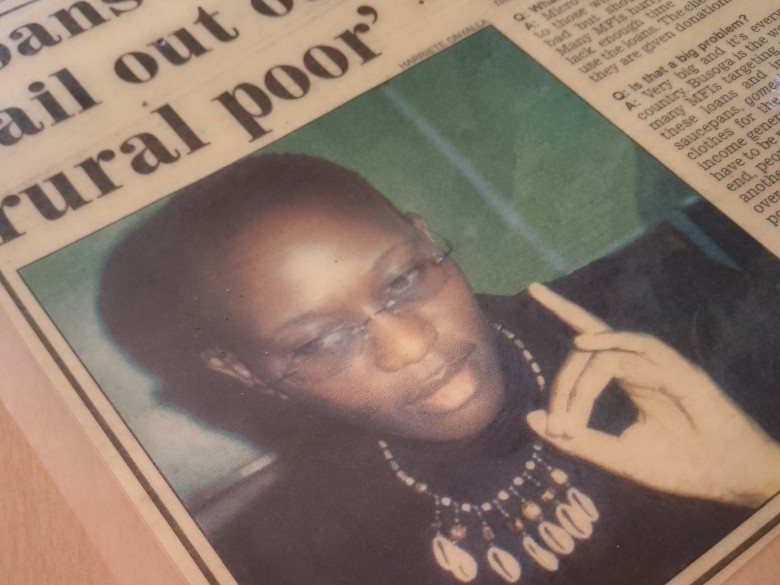
Exerts from an interview I did for the New Vision while I was the Executive Secretary of Uganda Change Agent Association (UCAA), which had been empowering rural folks for12 years.
Harriette Onyalla conducted the interview.
Vindicated
Failure of multiple ‘well meaning’ programs of Government of Uganda and of civil society organizations to achieve the overstated target to “eradicate poverty” through the provision of loans to the poor, vindicate my views.
Particularly, put in context of programs such as Entandikwa and all its subsequent variations such as the SACCOs craze.






Let’s Chat…