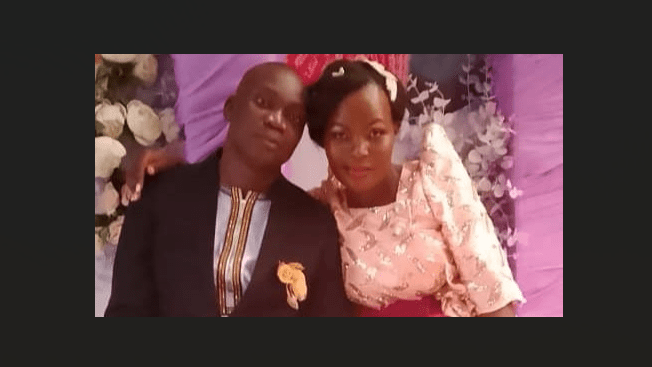


And so it was that yesterday, Saturday, 25th January 2025, the Chief of the Iwokodan Clan of the Iteso of Oleicho Village, Oleicho Parish, Mukongoro Sub-County, Kumi District, my mother, Mrs. Betty Anne Apio Owaraga, led her clansfolk to Bukedi – Naigumya Cell, Budaka Ward, Budaka Town Council, Budaka District.
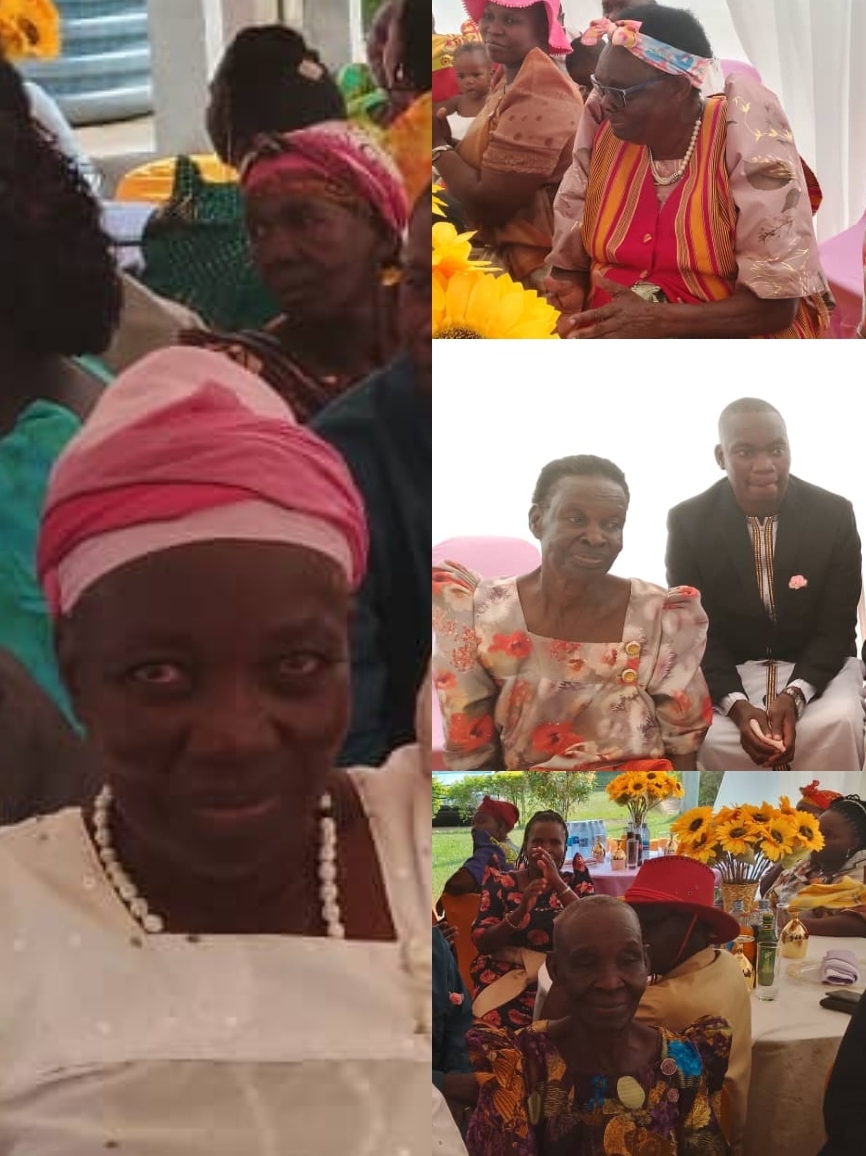 Among the Iwokodan Delegation: Toto Adong Immaculate Akiteng (right forefront), the mother of the groom, widow of late Papa Moses Omulala, the last born son of late Papa Daga and Tata Adong, the parents of my mother and my grand parents. Late Papa Daga was the son of late Diga my mother’s grand father and my great grand father. Top left is the Chief, my mother, Mrs. Betty Anne Apio Owaraga. Immediately below, her youngest sister, Toto Phoebe Dorothy Nakirya (retired prisons officer) and next to her the groom, Diga Samuel. Bottom left is the Chief’s oldest sister, Toto Mary Amulen. Missing from the picture, are two of the Chief’s sisters, Toto Priscilla Anyago (retired nurse) and late Martha Amongin; and all her three brothers now deceased – in addition to Papa Omulala, Papa Tom Okwerede and Papa Sam Diga.
The reason for the trip to Budaka was to escort, with pomp and ceremony, their clansman, Daga Samuel, to his Teso marriage ceremonies, hosted by the bride’s clan at the bride’s parent’s home. Daga is the eldest of ten children of late Papa Moses Omulala, the Chiefs late brother and Toto Adong Immaculate Akiteng.
The Iwokodan delegation was similarly received, with pomp and ceremony, by the clansfolk of the bride, Sarah Kitaka, daughter of Tata Nyakabira Dominic and Mama Phedry Logose.
Prior to yesterday, Kitaka, my sister in-love, and a delegation from her family’s clan were hosted in Oleicho for the marriage preliminaries. The reciprocity inbuilt in the Iteso marriage ceremonies is among the things I love about them.
Ideally, in the past, the Iteso marriage preliminaries were done in four occasions:
- Discussion of the dowry (heads of cattle) – Representatives of bride’s clan hosted by representatives of grooms clan at groom’s parent’s home. An agreement, automatically means the couple is customarily engaged.
- Viewing the cattle – Similarly, the bride’s side is hosted by the groom’s side.
- Handover of the cattle – Similarly, the bride’s side is hosted by the grooms side. This signals the marriage has been accepted and is now arranged.
- Testing the bride in domestic duties – following handover of the cattle, the dowry, the groom’s side tests the bride in domestic chores, over a three day period, prior to the marriage ceremony.
In the case of Daga and Kitaka, it is my understanding, the first three occasions of marriage preliminaries were combined and conducted on one day in Oleicho. As for Kitaka, Iwokodan had prior tested her . On advice of legal counsel, I am not permitted to reveal for how long and how so. I digress, back to the point.
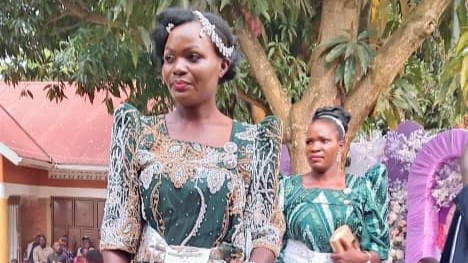 The bride, Kitaka Sarah (infront), comes out to officially confirm and introduce to both her clansfolk and his clansfolk the groom, Daga Samuel, as the she loves and is betrothed.
Iteso marriage ceremonies are so elaborate, over several steps on separate days, involving clansfolk of both the bride and the groom. These days, when marrying couples who mostly live and work away from their ancestral homes, such as Daga and Kitaka who are both prisons officers. abiding by Iteso marriage ceremonies is a costly logistical nightmare that many are unable to navigate.
To learn more about Iteso marriage ceremonies, there is an empirical description of them in the book: “The Iteso – Fifty Years of Change in a Nilo-Hamitic Tribe of Uganda,” by J. C. D. Lawrence. I wish it were still feasible to do all of them. It is the kind of marriage I would wish for all Iteso, with all the beautiful intra and inter clan bonding ceremonies.
Sadly, in these our modern times, we can only dream for Iteso marriage ceremonies of the old. Hence, the comprise, an adaption of the Buganda Kingdom marriage ceremony, Kwanjula (the introduction), hosted by the bride’s clansfolk.
Thereafter, together with her husband and his clansfolk, the bride leaves her ancestral home to her marital home, the grooms ancestral home. I have it on good authority that Kitaka asked permission to stay behind to finish up something or rather.
But the Chief is on standby, waiting for a call, to go and pick up our wife and to escort her to Oleicho, where she will be officially tested, preparing a feast for the Chief, her sisters, and other selected clansfolk.
For logistical challenges, I was not able to make it to marriage ceremony of Daga and Kitaka, but I am nourished by the photos and videos. What a fabulous fun ceremony it was.
The clansfolk bonded as the danced and eat together. Who knows, may be some of the single women among the Iwokodan delegation may have been noticed and in the near future, the marriage ceremony, the Kwanjula, will be in Oleicho,






Let’s Chat…