
There are many implications of how food is used. Nations have to concentrate primarily on getting enough healthy nutritious food for their citizens first.
“Food is a weapon (source).”
“And Food as weapon is in use (source).”
Non-Subsidized Smallholder Farmers
The weakest point in commercial agriculture for export, is a Government’s failure to guide farmers on which crops to avoid getting into for export. Any crops that are subsidized by other countries are a no-go zone for export.
Nations that don’t and can’t afford to compete, because they don’t protect farmers against bad weather and world market price tumbling by giving them free money.
When world market price for coffee falls the loss is felt by the non-subsidized coffee farmer, like Uganda.
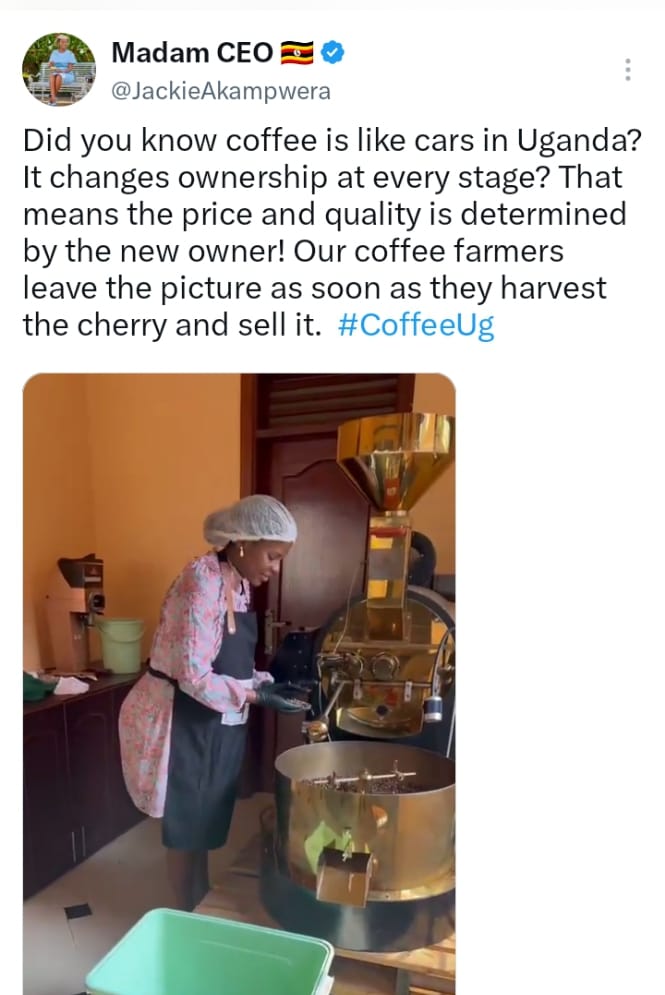
Unless Uganda government specializes in those crops that are not subsidized for export, such as organic farming, it will be next to impossible to make it.
There are other areas that may also be a pitfall, such as Vanilla which was promoted to farmers as Uganda’s green gold.
“Shortage makes vanilla as precious as gold (source).”
The reasons behind it had to do with world shortage of vanilla because in 2000 cyclones destroyed about a third of the vanilla vines in Madagascar which grows about 60 percent of the world’s vanilla.
So, it was a matter of time for the world market prices to change as Madagascar recovered, but Uganda smallholder farmers were not told that.
Subsidized Farmers
When world market prices for corn or wheat fall, some nations cover their farmers by giving them free money to compensate them. Even when there is bad weather and yields fall, they get paid.
They are paid when the yield is so good that prices fall. They are paid when bad weather causes low yield and they don’t have enough crops to sell.
In fact, they are paid so much that tax payers feel cheated because such generosity is never replicated in any other industry.
“Agriculture makes up just 1.5 percent of the production of the European Union. So, it cannot be right that almost 40 percent of the EU budget is still spent on the CAP [Common Agricultural Policy] (source).”
“Farmers Get Biggest Subsidy Check in Decade as Prices Drop (source).”
“The European Union spends around €59 billion a year on farm subsidies.
This site tells you who receives the money (source).”
These thoughts herein this post where shared by besireadings on 6th September 2016, in comment to herewith re-blogged post. Ten years later, the commentary remains even the more relevant!




 the Humanist view
Let’s Chat…