What is the sanctimonious wululu about Mr. Abiriga easing himself?
He urinated behind a decorative plant of sorts. In a public place that is considered among model places indicative of Uganda’s ‘development’; and where ‘developed’ Ugandans live.
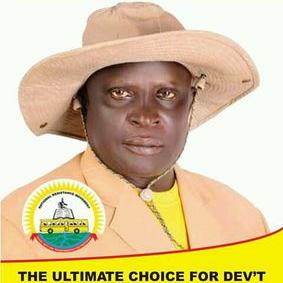 Arua Municipality Member of Parliament, Mr Ibrahim Abiriga, has confessed to easing himself in a public place.“I was badly off. Should I have kept urine on myself? What is the problem with that?” Mr Abiriga, one of the promoters of a move to remove the age limit article from the Constitution said in a televised interview at the entrance of Parliament chambers. (source: Daily Monitor)
Ugandans left, right and center are vilifying Mr. Abiriga for choosing not to “keep urine on him,” to use his own words, for he was “badly off.”
How could he do that? The ‘developed’ sanctimoniously ask.
But wait a minute
Was there a public toilet nearby?
How near or far was the nearest public toilet?
What is the condition of the nearest public toilet?
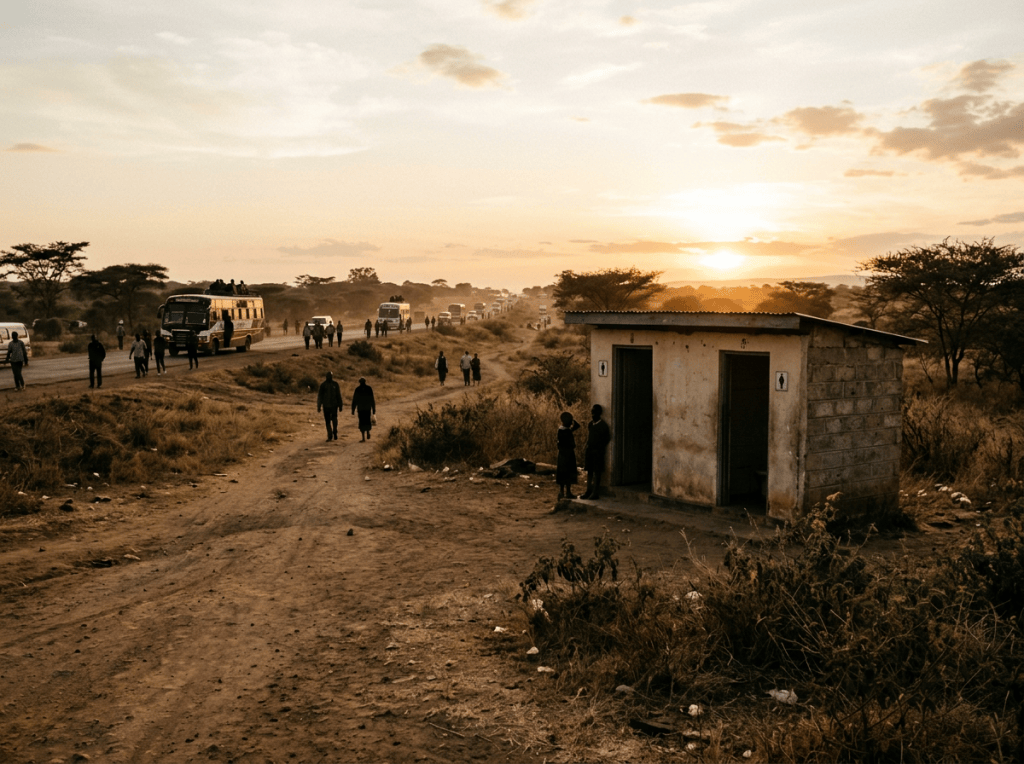
The lack of public toilets in the whole of Uganda is legendary, including in those places considered ‘developed’ and where the ‘developed’ live.
True story
I am reminded of my own experience observing Ugandans who are “badly off “, as Mr. Abiriga was, having no choice but to ease themselves by the roadside.
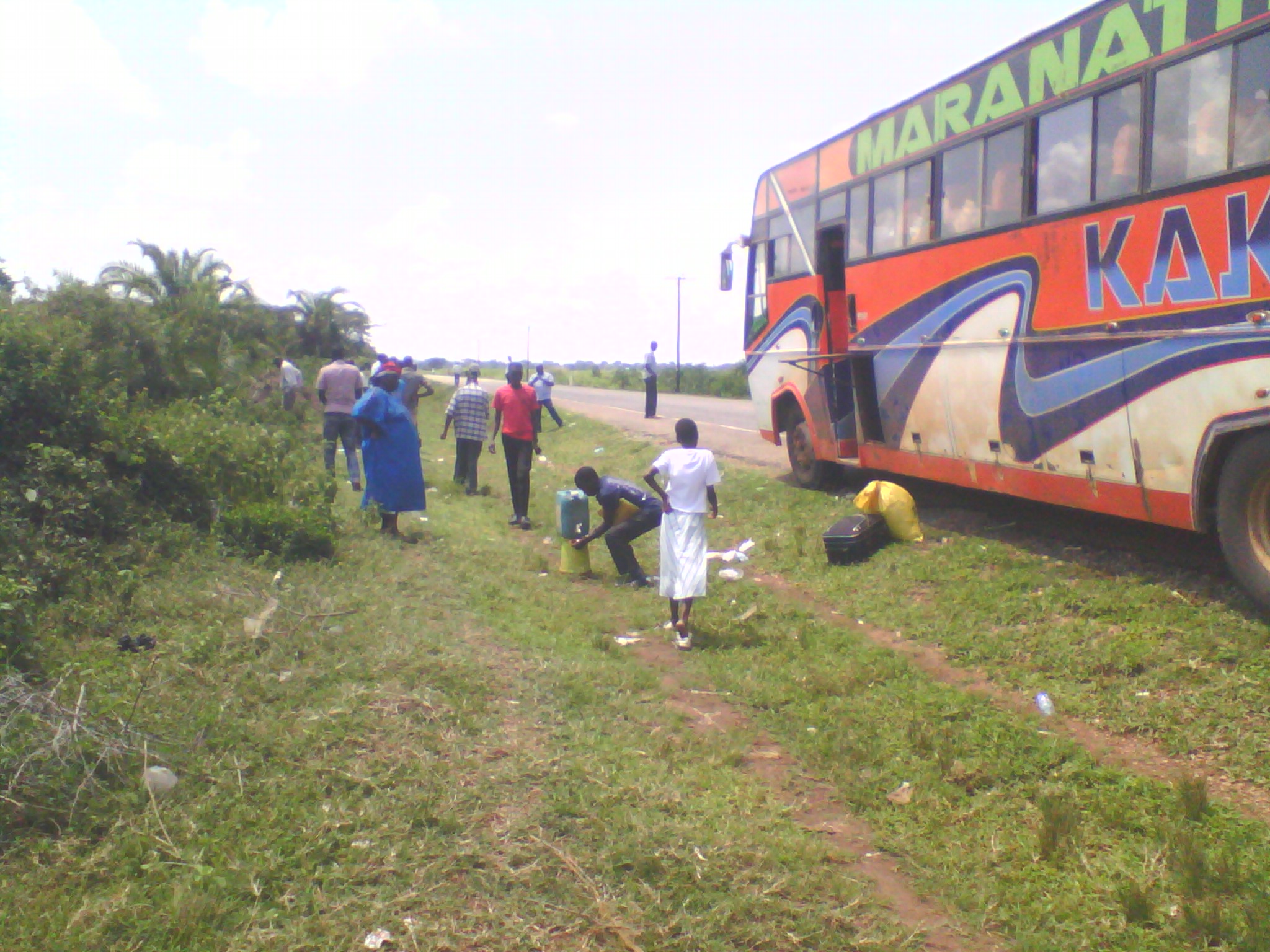 Along the Iganga to Tiriniyi highway, we stopped for a health break – stretch our legs, decongest our bladders and generally make ourselves comfortable for the rest of the journey. Not so pleasant a surprise awaited me then. We had to do it all in the bushes – no public toilets anywhere in sight, and apparently there is none along the entire route. My fellow passengers who had to respond to the call of nature had no choice but to add on to what others had left behind in the past. One of my fellow, travelers, surely less than 10 years of age, was not able to make it to the bushes on time so she soiled her skirt. The spot is a favorite for buses to make a health stop – and the evidence was there – shit of all kinds and shapes and in all kinds of conditions – dried up, heap-shaped, flattened, freshly dropped, etc. Need to ask, do we have a public health policy in Uganda? If so, what is it about? Am I the first to notice that this status quo of no public toilets for travelers and for others in public places is really not wise – need I explain? This was in 2014.
Travelers on public transport on the eastern route are indeed suffering. To the extent, in my view, it warrants proclamation of a state of emergency. CLICK HERE to read more in by bog post “Roadside Rest Stop Scarcity”
Other recommended reading, Simon Kaheru’s post, appropriately titled: “Management toilets versus toilet management.”
The debate
Mr. Abiriga’s actions point to a fact that even in ‘developed’ places in Uganda where ‘developed’ Ugandans live there are no or insufficient public toilets.
Contextualize this status quo to the reality that as part of President Museveni’s long convoy, reportedly, one of the vehicles is a customized mobile toilet.
To make sure that when he is “badly off”, as Mr. Abiriga was, wherever he is and at whatever time, he can make releases with ‘presidential dignity’.
All Ugandans, including Mr. Abiriga, should be able to enjoy and have similar dignity accorded. Have access to public toilets in which they can respond to the call of nature with dignity.
In which context, am not impressed by all the sanctimonious wululu about Mr. Abiriga’s choice to ease himself in public. He was “badly off” what did you want him to do?
Lived Reality
Where there is the will there is a way.
When is the debate on public toilets, in particular, and the Public Health Policy, in general, going to be on Parliament’s order paper?
Compared, for example, with the Presidential Age Limit Debate, which is receiving priority at the moment.
And against which a significant section of citizens are pushing back – #TOGIKWATOKO (don’t touch it), the Constitution that is. Leave the age limit in it to enable and assure peaceful transition of power.
Which begs the question: MPs are prioritizing the Age Limit debate, are they genuinely doing so to protect the Constitution?
Or is it a means for them to set conditions for the first beneficiary to acquiesce to facilitating them with wealth to clear their debts, which they have accumulated through their own stupidity and greed?
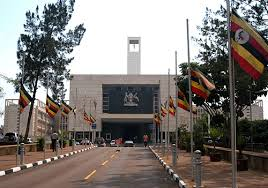 “The problem of MPs’ indebtedness has become so serious that Wafula Oguttu, the leader of the opposition, said recently that President Yoweri Museveni – who in 2005 offered MPs monetary inducements to remove term limits from the constitution – was personally intervening to bail out the legislators. Oguttu alleged that each indebted MP received $42,000 from Museveni (source: Aljazeera).”
Why is it the only time the current members of parliament have genuinely paid attention, it would appear, is during any discussions to amend the Constitution?
Specifically, in order to remove the only remaining condition which will automatically prohibit President Museveni from seeking another term in office through ‘democratic’ means.






Let’s Chat…