
There are many examples of ‘African messiah’s’ that have turned into the opposite kind of leader.
Why then does messianic rhetoric remain sexy?
The messiah-has-come type of assertions made during discourse on governance and leadership. Particularly, as it pertains to Uganda, in particular, and Africa, as a whole.
I am among those who have long become who weary of such discourse of messianic leaders, where ever they may be heralded.
Often they come clothed in imagery of they will be the ones to return power to the people. But reality tells as this is never truly their intention.
And it is perhaps so, because the so-called messiahs, as well, launch from a false premise, their insufficient appreciation of the concept of people power.
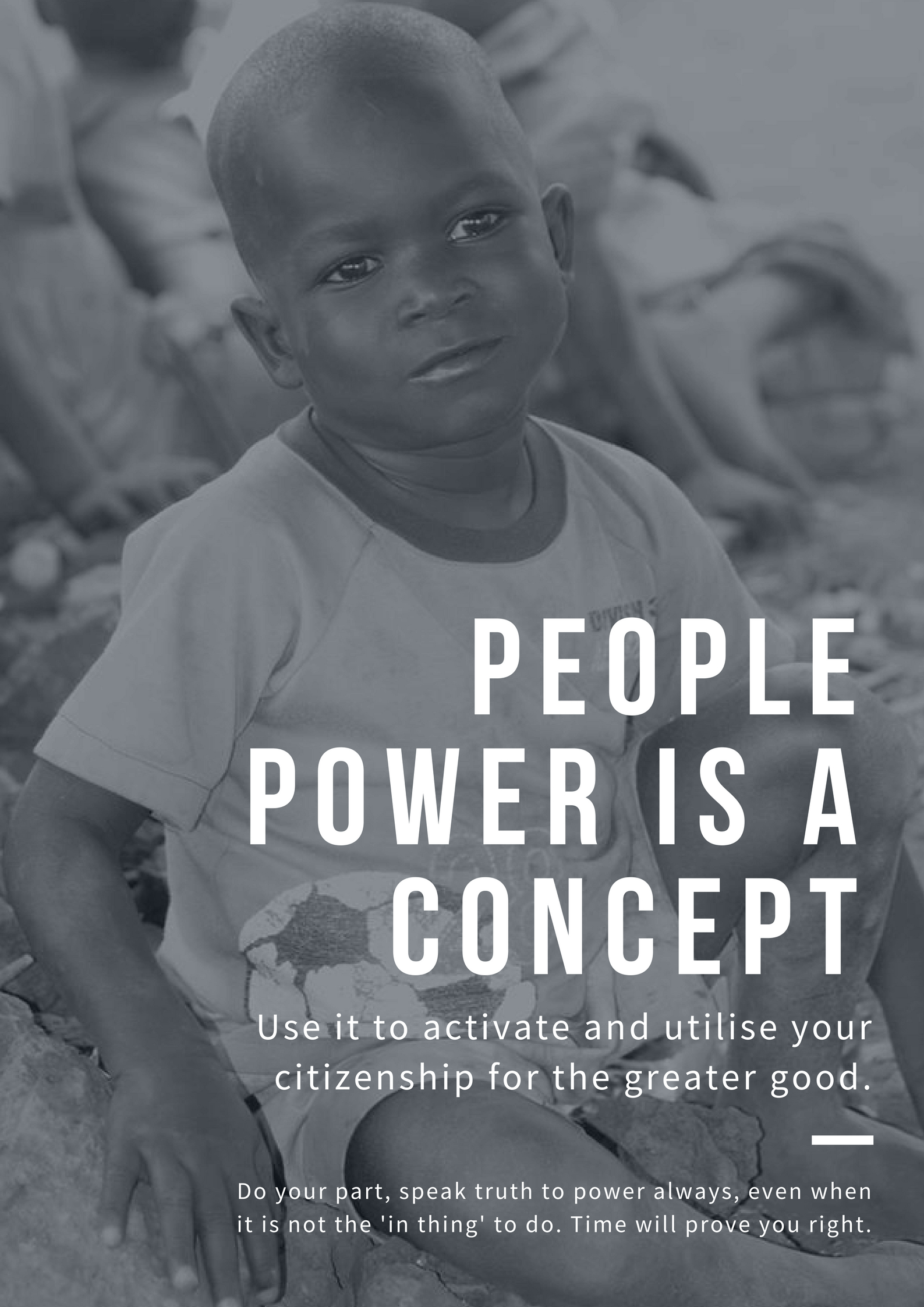
“People Power” is a concept. It is not a political party, nor is it a coalition, nor is it a movement, and to that effect it has no leaders. This is according to Hon. Asuman Basalirwa, the President of JEEMA. According to him, in fact, the concept gained traction in Uganda, during his campaign for the Bugiri Municipality parliamentary seat, which he won. He explained that his campaign slogan in Lusoga was: “Abantu na amaani”, which for the benefit of non-Lusoga speakers he translated to English as “people power.”
Deducing from Hon Basalirwa’s explanation, people power, in essence, is citizen activism at whatever level.
Basically, people power is citizens engaged and taking seriously their civic duty.
Meaning, therefore, within each individual citizen resides people power and no one person can claim to bequeath another people power.
I agree with this interpretation of people power.
Spread the word, each and everyone of has the potential to use our people power for the greater good.






Let’s Chat…