This morning my favorite cousin sister, Oliver Achola, daughter of my late father’s late brother, sent me via WhatsApp a Teso Vibez video clip which I absolutely loved. It feature Hon. Hellen Adoa, currently the Minister of State for Fisheries in the Ministry of Agriculture Animal Industries and Fisheries, speaking in her capacity as a daughter of our Iteso nation, Atesot, advocating for the celebration and preservation of Iteso food culture.
Speaking in Ateso she said:
“You need to visit us in our districts as well to teach young women and girls to cook eboo (cow peas leaves), to cook ecadoi (spider flower). These days young people are busy getting married, but when you tell them cook eboo, they cook it all stiff. They don’t balance in it abalang (ash salt) and with atigo (jute) so that the mix is perfect.
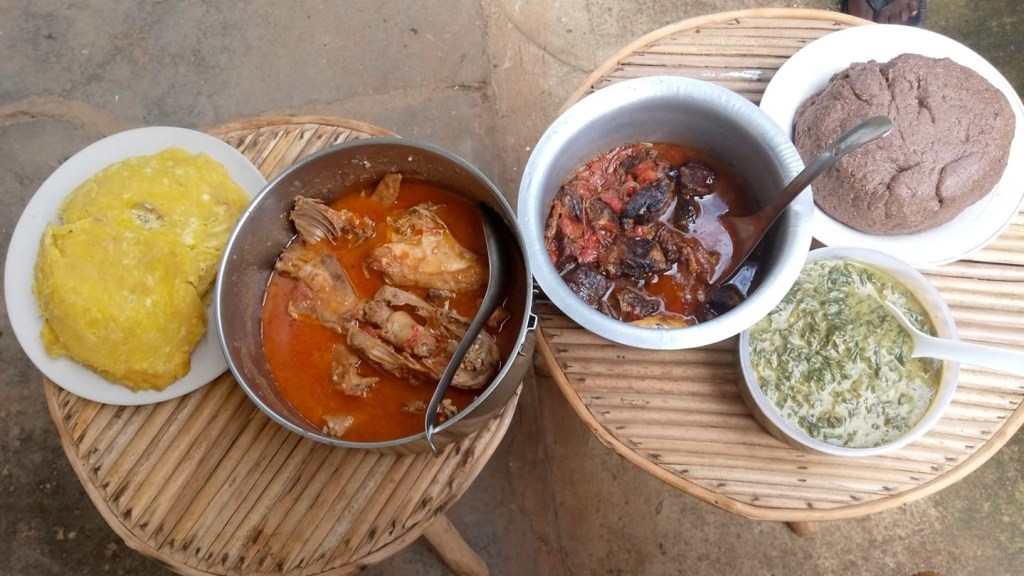
Eboo and atap (millet and cassava ugali)
During this day of celebrating Iteso culture, there should have been plenty of eboo and ecadoi here. Today should have been a holiday in Teso, so Iteso would be here celebrating and eating Iteso food cooked in Iteso cuisine with abalang. In next year’s celebrations, we want there to be stalls for women cooking and serving Iteso cuisine.
Papa Emorimor, we need to borrow how the religious groups do it for martyrs’ day in Namugongo. On a rotational basis you select host districts for our Iteso culture day event. For example, it could be Serere and of Ngora, and they are delegated to be the host districts for the next year’s event.
Then for us from Serere and Ngora we come and set up cooking of Iteso cuisine at the event. Adoa whisks up emagira (sauce made out of cow peas); and toto Vice President (Her Excellency Jessica Alupo) brings her team of women who will cook ecomai (Balanites).
Let her and her team compete with me, as we showcase that these are the ways of Iteso. There should be plenty of Iteso food, Iteso eat here and go away with filled up stomachs.
Rotational hosting of the Iteso culture day will enable us to better appreciate our Iteso culture and will bring us closer together.”
Hon. Hellen Adoa
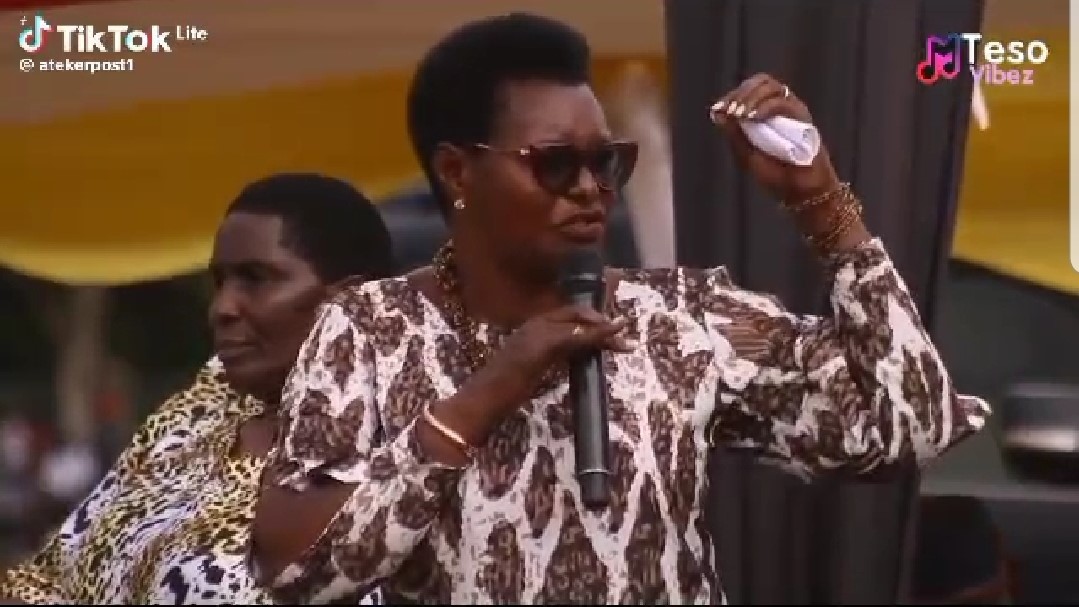 Hon. Hellen Adoa (with the mic) and in the background, Hon. Asamo Hellen Grace
I couldn’t agree more with Hon. Adoa. Seriously, am often distressed when I attend a celebratory occasion of Iteso or organised by Iteso in which food is served and there isn’t Iteso cuisine in sight.
Moreover:
“Food is central to culture, as it not only provides nutrition but also reflects the socio-economic and historical context of a particular society Different cultures have unique and distinctive culinary traditions that reflect their beliefs, values and customs.
Food is often used as a symbol of identity and heritage, playing an important role in socializing and celebrating. In many cultures, preparing and sharing food is central to family and community life, and mealtimes provide opportunities for bonding and socializing.”
Dope Black
It fascinates me how over thirty years later and even after she long rested, lessons I learned from my late paternal grandmother (tata), she whom I am named after, as I assisted her as she cooked still play a significant role in my day-to-day life.
For example, my ability to estimate proportions of ingredients by eye. I can never write down a recipe for the food that I cook, I simply go with the flow as directed by my tata’s common-sense-logic. And as we cooked together with my tata, I learnt from her more than just how to cook food, but our language and the history of my ancestors.
So, yes, I agree with Hon. Adoa, at the next Iteso Culture Day, let there be loads of cooking of Iteso cuisine, loads of food and loads of eaters of Iteso food. Emuria koliai!




 the Humanist view
Leave a reply to Favorite meals of Ateker cuisine – CPAR Uganda Ltd Cancel reply