The Dry Season consisting of the four months of:
- Opoo (also sometimes spelled Opo), when the sun is hot – December. The month of hunting and trapping. Hare is ipoo in Ateso. In Iteso folklore, tricksters are likened to ipoo. Presumably, a good hunter is he who is able to catch the trickster, ipoo.
- Orara, when the trees lose their leaves – January. The time of the year when deciduous trees shed off their leaves. The month when cheetahs and or tigers invaded Teso of old and attacked sheep flocks for food.
- Omuk, when the leaves grow back – February. The time when trees re-grew their leaves, hence aimuk (covering, as in leaves covering the trees). A very hot month before the onset of rains, hence the need for amuk (shoes).
- Okwang, when the children become white in the dust – March. Windy and dusty month, hence akwangus (ashy greyness of skins).
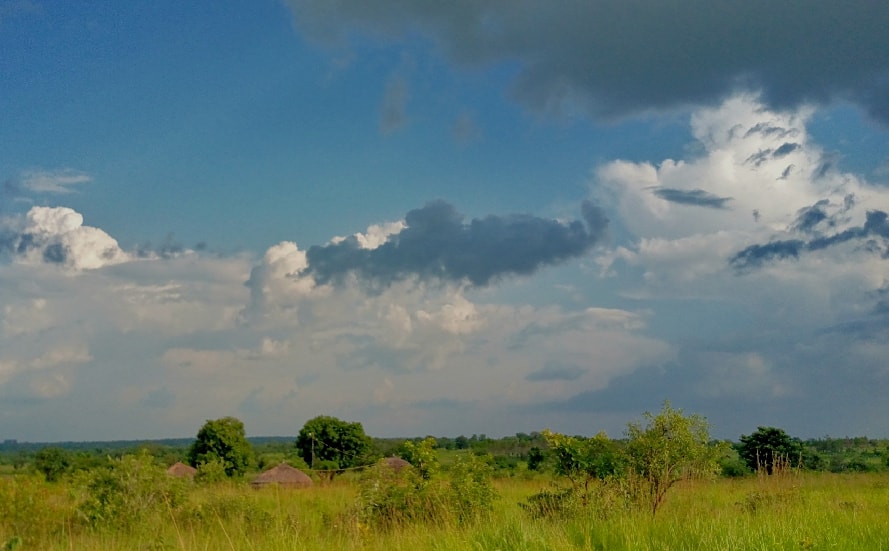
The Wet Season consisting of the four months of:
- Odunge, when rain covers the sun – April. The month when the sun is overcast and clouds are coming, heralding the beginning of the rain season. The month when adunge (variety of white ants) are in plenty and eaten.
- Opedelei or Abwataidwe, when children wait for food – May. The month of thin Stomachs. When seeds are sown and there is little available for food. Abawata in Ateso means standing up or stand up and idwe means children, hence abwataidwe.
- Omaruk, the month of mushrooms – June. The month during which plenty of imaruk (big mushrooms) sprouted, were foraged and eaten.
- Omodokoingol, the harvest of millet – July. Month of the ‘dirty akingol’ (mingling stick). The time when the harvest has begun and there is plenty to eat – especially atap (millet ugali), which is made by mingling, hence ‘dirty akingol’.
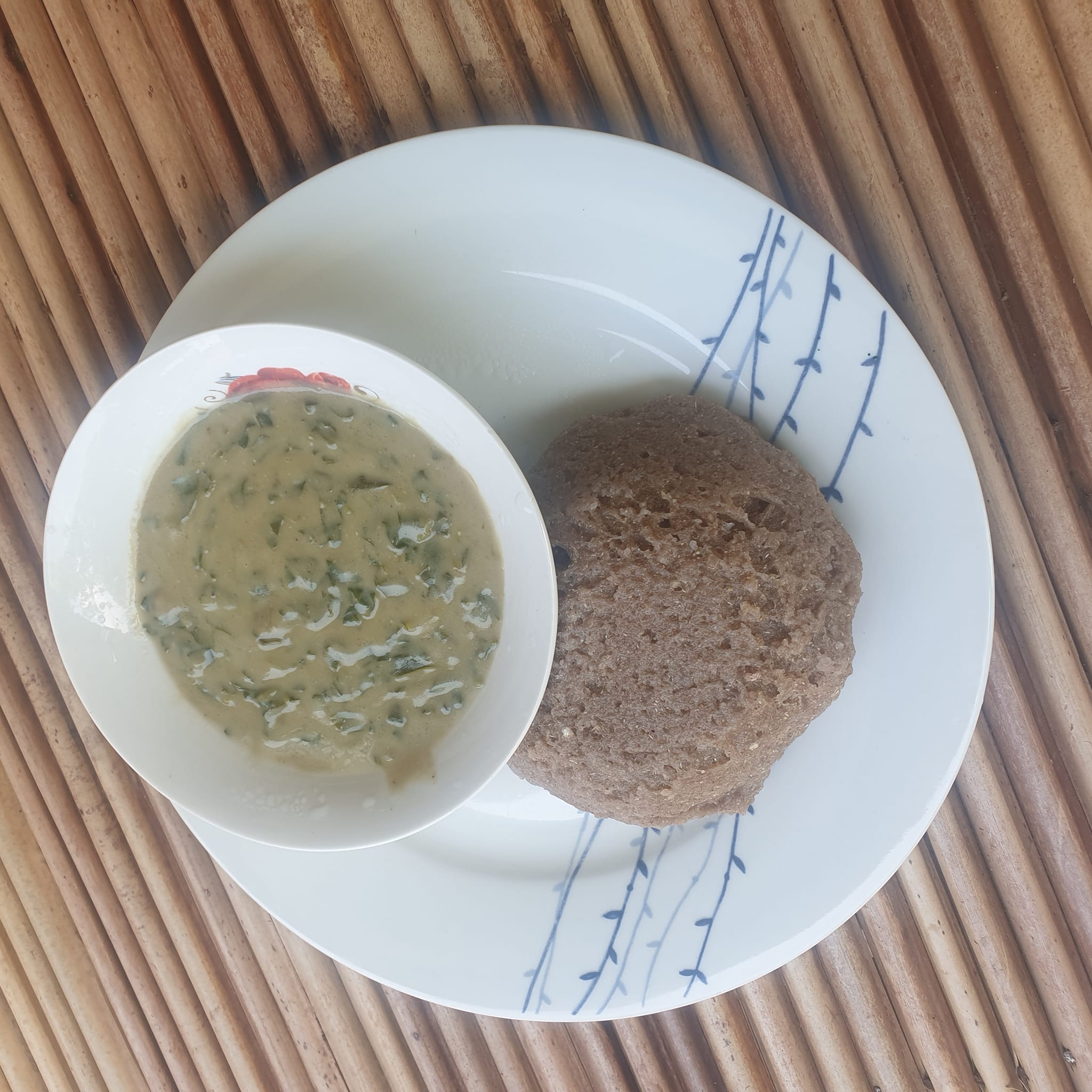
The Season of Plenty consisting of the four months of:
- Otikoik or Oloja, the month of big stomachs – August. The month of big bellies or distended stomachs, because of availability of plenty of food eaten by children.
- Otibar or Ocoto, the month of richness – September. In Ateso, aibar is to become rich, ebar is a cleared compounds and obar is to shit. All three meanings are implied in the naming of the month for it is the month of large homesteads and during which there is still plenty to eat and shit big ones.
- Osokosokoma, when the grass blocks the paths – October. The month during which ema (High Grass) grows high; and is cut for thatching houses.
- Osuban, the harvest of millet – November. The month of asuban, (ceremonies and rites).
Sources:
Ateso Dictionaries – as extracted and shared with the author via WhatsApp by Mr. George Barenzi
The Iteso – Fifty Years of Change in A Nilo-Hamitic Tribe of Uganda, by J. C. D, Lawrance






 the Humanist view
Let’s Chat…