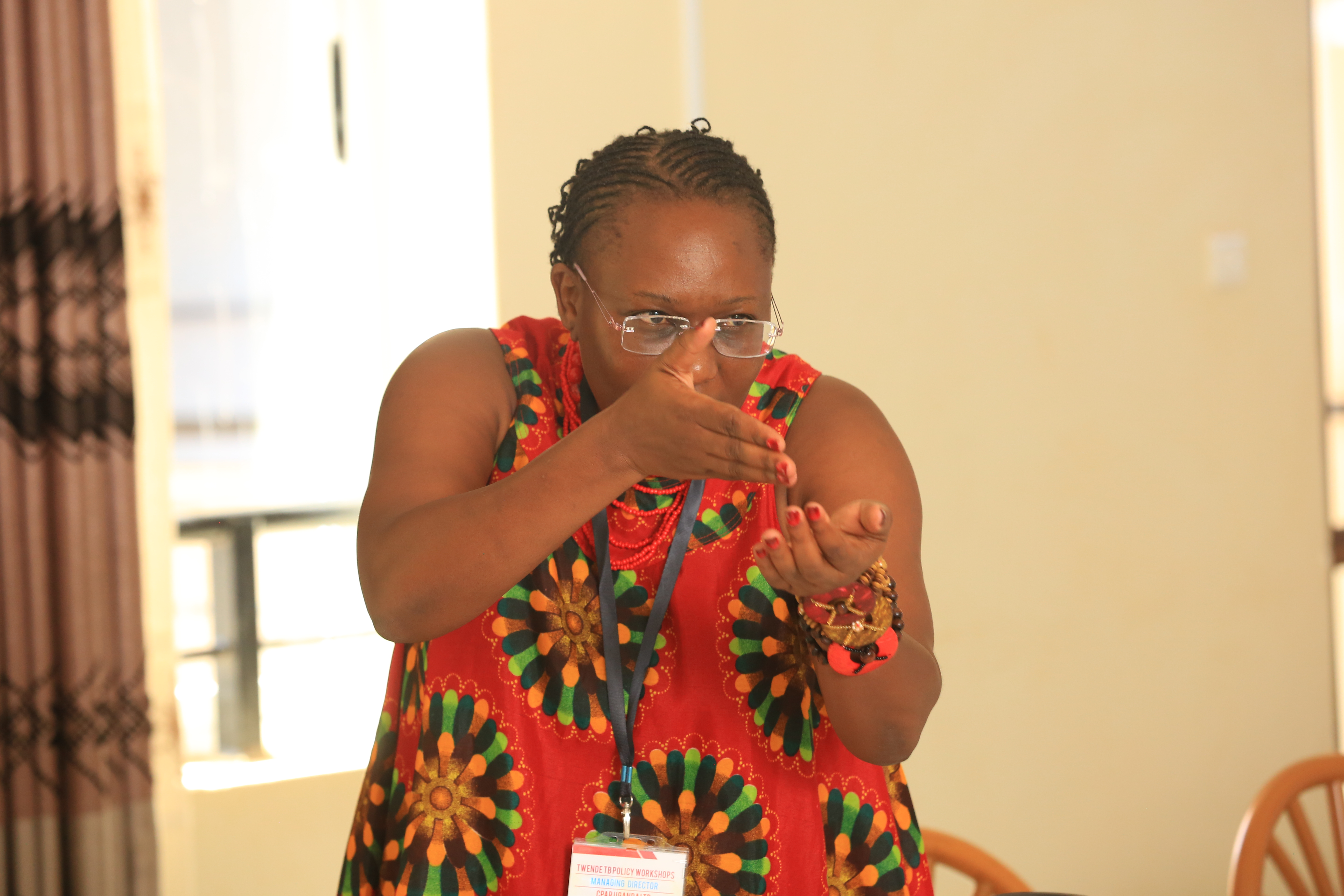

Will Hon. Kamya’s appointment and acceptance of a ministerial post make things better or is it a sign that things are getting worse?
“Is it the electoral commission that passed the public order management act? No, it is parliament. Is it the electoral commission that lifted term limits? No, it is parliament. Is it the electoral commission that is giving NRM MPs money to go around the country to popularise a single candidacy? No, the money is coming from Bank of Uganda. Is it the electoral commission that packs bags of money for the president to go round giving to the people? No, the money comes from Bank of Uganda. Is it the electoral commission that pulled Lukwago out of office? No, it is the judiciary. So when you focus on the electoral commission, you are missing the big picture.“ Hon. Beti Namisango Kamya during the 2011 campaigns (source: Benon Herbert Oluka, the Observer)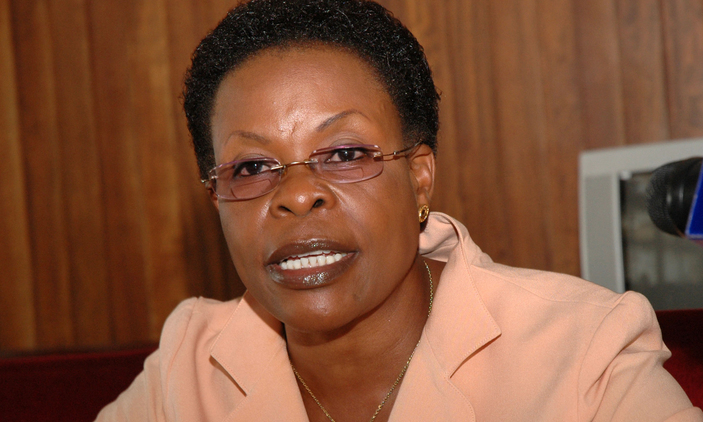
Should we therefore celebrate Hon. Kamya’s appointment as minister in the cabinet of the very same administration she critiqued?
Is Mayor Lukwago safe this time round?
As in during her leadership, as Minister for Kampala, will she pull him out of office or not?
Many, many, questions are floating around my mind.
No doubt this current term of political office – presidency and parliament – is causing concern, moreover within weeks of swearing in.
There is that whole business about nomination of ministers with questionable abilities – judged both by their paper qualifications and the practical experience using the knowledge as contained in their paper qualifications.
Some were rejected, but some were allowed by Parliament.
The pool from whence many of those ministerial appointees came from was from those who contested and or who were elected members of parliament.
Meaning that you have those with inferior and questionable abilities vetting their fellows with inferior and questionable abilities.
How likely is it that they will actually achieve the expectation of choosing the best – those with solid abilities?
Fearing that their inadequate abilities will become the focus of experienced journalists, members of parliament under the leadership of Speaker Kadaga, have kicked out of parliament the more experienced journalists.
Parliament raised the academic qualifications for journalists reporting on parliament to a minimum of a university degree.
I wonder why, when members of parliament and ministers do not have such qualifications or if they do, the quality is questioned.
The trend of things scares me.
The 10th Parliament of Uganda is the weakest ever – dominated by those with questionable abilities. The power balance in the 10th Parliament is now more skewed than ever before.
 By the way, Speaker Kadaga is among women leaders who have clang onto the affirmative action seat for their respective districts for over a decade.
Local Councils which could have moved Uganda to the ideal of federalism and more inclusive participatory democracy are worse off in terms of those in office and financial resources.
Lower council elections have not been held in decades.
Graduated tax, the major source for income without strings, which the local councils relied on was abolished. It was replaced by indirect taxes, such as excise duty, which favor the rich and which are collected centrally.
Local councils are at the mercy of the central government which determines the trickle of finances from the center to the local governments.






Let’s Chat…