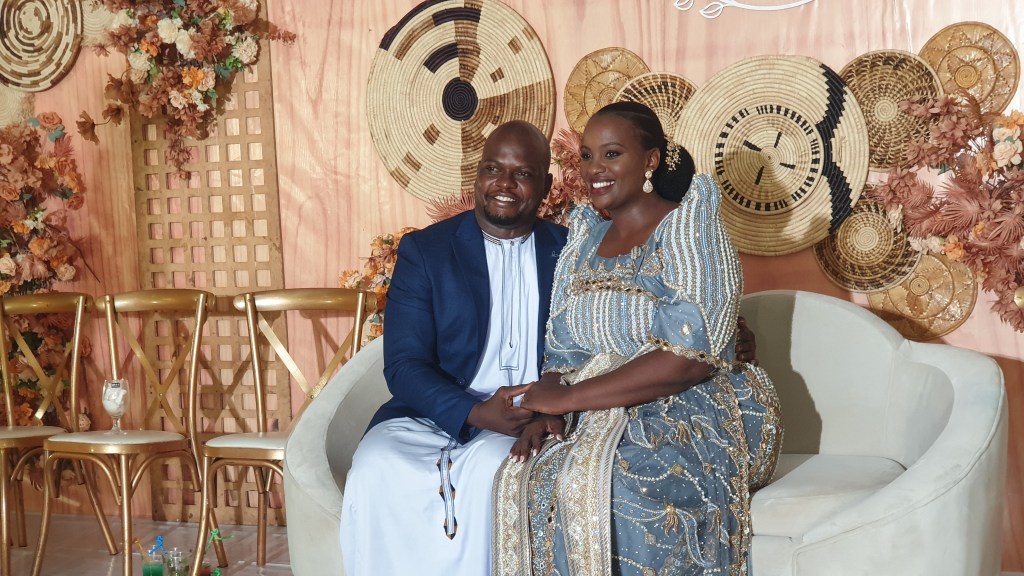
Nkwanzi means a precious high quality and rare natural pearl, of the calibre of the crown jewels, so I learnt this past weekend. This was during our Nkwanzi Marriane’s muhingiro, as her parents, the Kazooras, formally acknowledged, approved and celebrated her marriage to her love, Kalyango Oscar.
Muhingiro is one of multiple marriage ceremonies of the second largest first nation of Uganda, the Banyakore of Ankore Kingdom, of whom our Nkwanzi belongs. It is a ceremony, often misnamed “giveaway,” although, it is not as such. In fact, muhingiro is a ceremony that is about bringing the two families and or clans of the couple closer as one.
In the case of our Nkwanzi, as a matter of fact, it was about bringing two families of two different first nations of Uganda together as one. Kalyango, Nkwanzi’s husband, is of Buganda Kingdom, the largest first nation of Uganda.
And, so it was, that Nkwanzi’s muhingiro was an emotionally charged ceremony, in a good way, that moved the bride to tears of joy. During the ceremony, as her family introduced themselves to the family of her husband and vice versa, their speeches focused on emphasizing the merger of the two families as one.
All the parents’ speeches during the ceremony, of Nkwanzi and of Kalyango, were laden with praise of the goodness of the couple individually and together. All of them promising to maintain familial relations that focus on supporting the couple to nurture their marriage till death do they part.
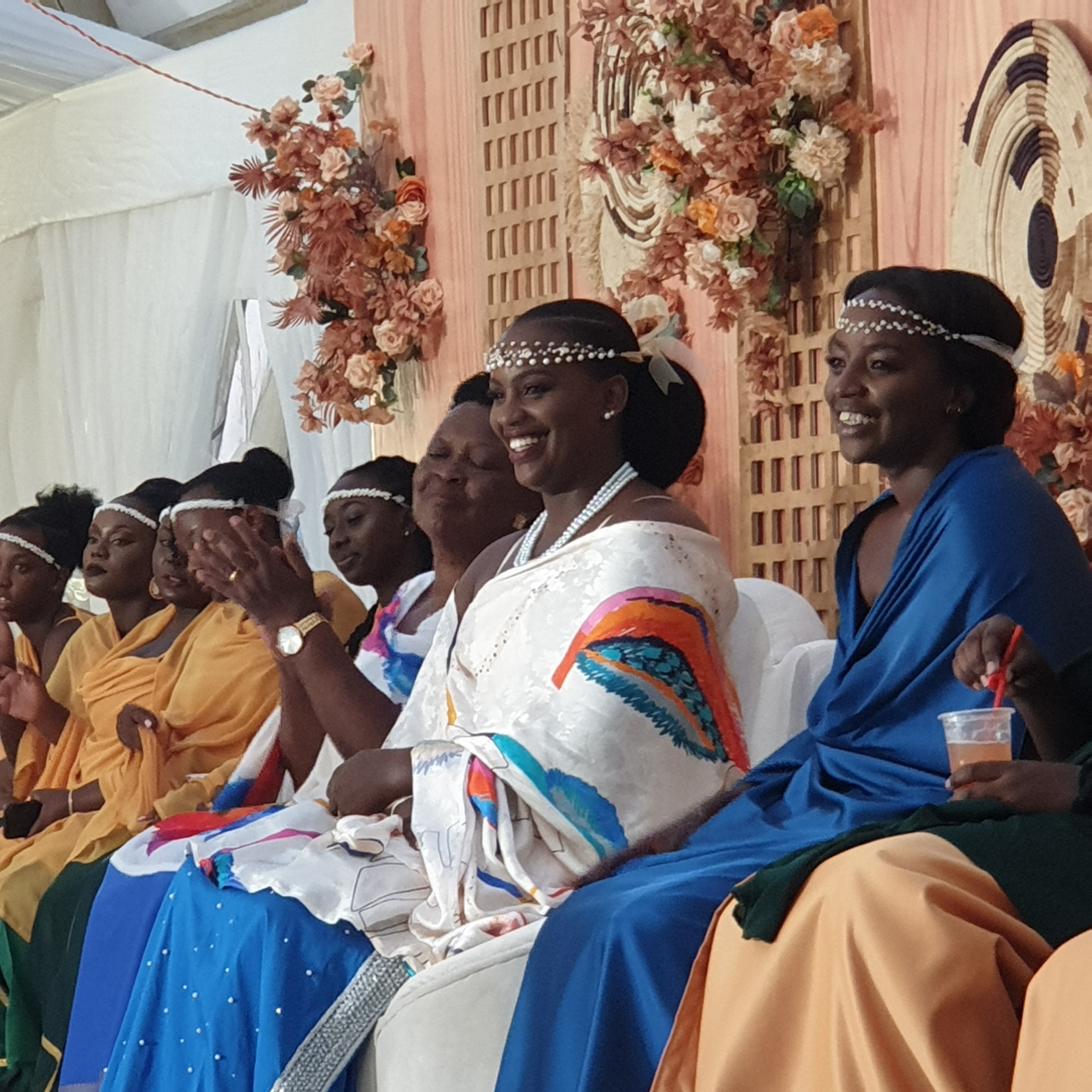 Nkwanzi with her shwenkazi and maidens, dressed in typical Banyakore fashion.
Another important aspect of muhingiro that is worth emphasizing is emihingiro (the gifts) given by the bride’s family to her, so as the couple may start their marriage wealthy. Among the Banyankore, cattle are wealth and it is tradition for the bride’s family to gift her cows that will beget more heads of cattle.
And, so it was, our Nkwanzi’s family present at her muhingiro, one after the other pledged emihingiro of cows to her. I lost count, but certainly more than ten cows were pledged at the ceremony. By the way, I learnt, that her other family members not physically present at her muhingiro, will also give emihingiro of cows to her.
I love the fact that the emihingiro are pledged, but are to be received post muhingiro. The couple is required to visit the home of each of the bride’s family wanting to give them emihingiro and physically collect the gifts. What better way to nurture familial relations and to assure the couple of the bride’s family support.
My lovely experience of Nkwanzi’s muhingiro got me thinking of the discourse about bridal gifts in Ugandan marriages. Specifically, of those who demonize them and misname them ‘bride price’, they who don’t say anything about emihingiro.
Assuming, as will likely, at the very least, be the case for our Nkwanzi, a woman’s emihigiro include twenty cows. It would mean she comes into the marriage with a minimum net-worth of 70 million shillings. Considering, the current market price for an Ankole cow is about 3.5 million shillings.
I clarify, it is often the case, using ‘Speke’s lens’, that many misunderstand and or do not fully appreciate the tradition and culture of reciprocal gifting that is part of the elaborate ‘communal marriages’ of first nations of Uganda. Including, misnaming bridal gifts from the groom’s side as ‘bride price’.
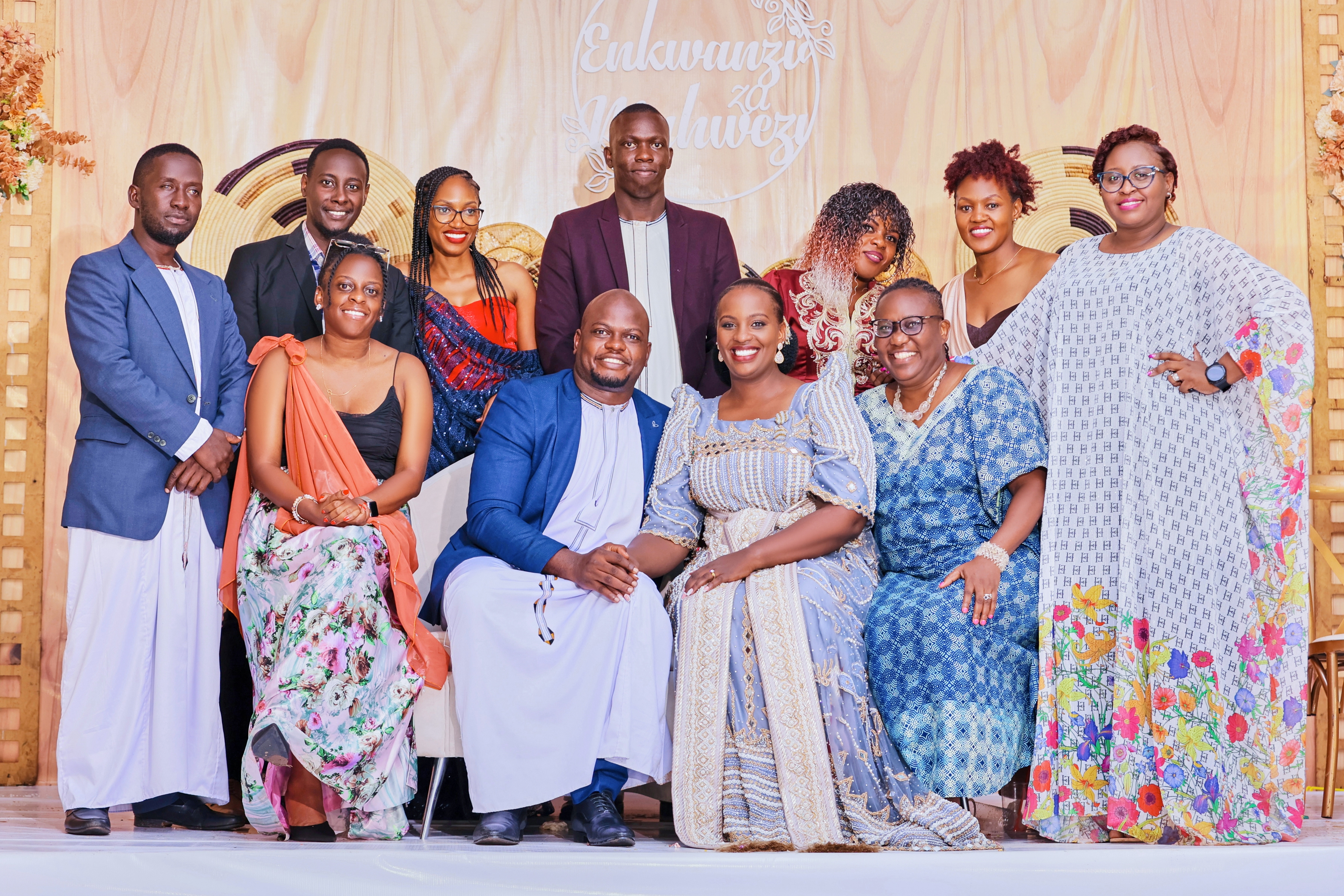 We, Nkwanzi’s work family of Owaraga Still and Motion Group, MTN Uganda and CPAR Uganda, celebrate with the couple.
Indeed, I choose to use this opportunity to spotlight how Hon. Sarah Opendi’s Private Member’s Marriage Bill 2022 is seemingly disconnected with realities of the marriage laws of our first nations of Uganda. Opendi’s bill, no doubt, is based on a misunderstanding of our first nations’ marriage laws, as a result of her viewing them using ‘Speke’s lens’.
Specifically, for example, in its formulation and in the popular discourse on it, Opendi’s bill generally presents the bride’s family as greedy and wanting to profiteer from the groom’s family by ‘charging’ exorbitant ‘bride price.’ This does not always hold true among the Banyankore.
Apparently, in fact, in some cases, emihingiro that Banyakore women get at marriage are much more than their parents receive in ‘bride price’. I would thus love it if Opendi’s marriage bill would better accommodate marriage laws of the first nations of Uganda. An accommodation, that should result from a genuine understanding of reciprocal gifting in our marriage traditions.
Yes, among our first nations, there is the symbolic gift that legalizes marriage. In the case of Iteso, my people, Uganda’s fifth largest first nation, for example, it is currently a maximum of five cows. This symbolic gift is arguably the same as wedding rings, church ceremonies and signing of marriage certificates which legalize Christian marriage.
For Iteso, therefore, to legally end a marriage, the symbolic maximum of five cows must be returned. This is no different to the costs incurred to end a Christian marriage, including, in some cases, the demand for the engagement and or the wedding ring to be returned.
It is a misrepresentation of marriage cultures and traditions of the first nations of Uganda to refer to all bridal gifts as ‘bride price’ and to assert that the groom’s family always demands all bridal gifts back after the marriage ends. This justification for Opendi’s marriage bill is flawed.
I have digressed far. Back to our Nkwanzi’s Muhingiro. I loved every minute of it. I loved to see how she honoured her family, and especially so, her shwenkanzi (aunt) with whom she shared the spotlight and gave the honour to present her.
 Nkwanzi and her maidens, dressed in typical Buganda fashion, carrying a cake on her head, her symbolic first meal as a married woman, which she brought to serve her parents and her parents-in-love. While serving it to both sets of parents, in keeping with Buganda traditions, she knelt.
I absolutely loved how her father in love received our Nkwanzi into the wider family of her husband, Kalyango. The size and the calibre of the delegation that he came along with to formally receive his daughter in love, told it all. Our precious pearl, Nkwanzi, is appreciated, loved and welcomed by her marital family.
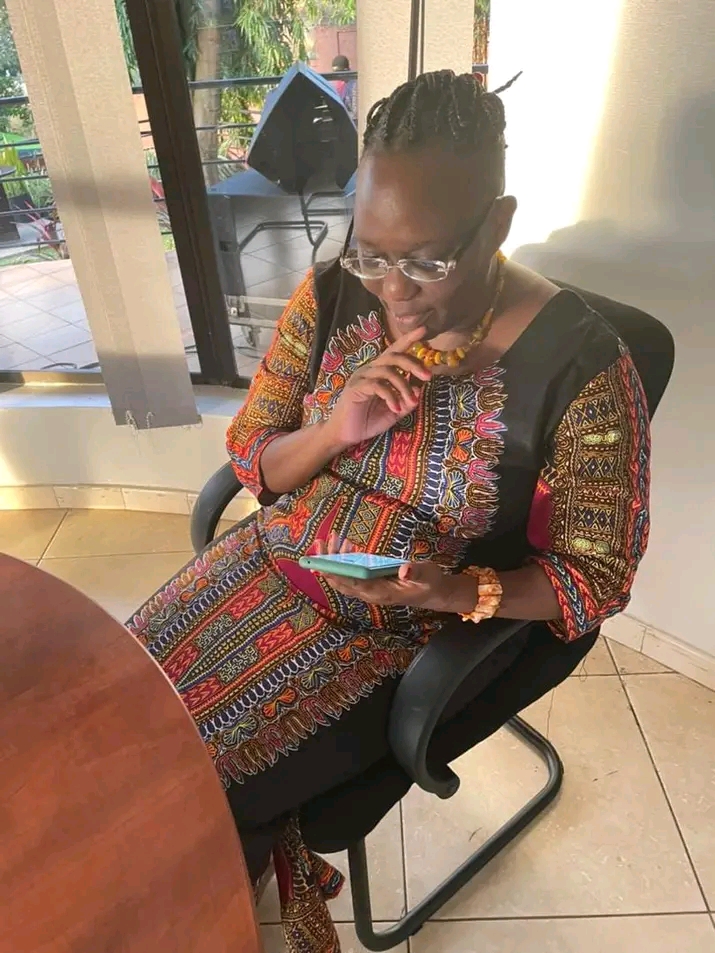
As for me, Nkwanzi’s work aunt, I am bursting with joy and pride, as I wish my dear Nkwanzi and her husband, Kalyango, a forever blessed and love filled marriage.




 the Humanist view
Leave a reply to Profound biblical advice to married couples from Hon. Miriam Matembe (PhD) – nowaraga.com Cancel reply