Dar es Salaam is an Arabic word that means “haven of peace” or “land of peace”.
I have just learnt this, through a story published in National Geographic (old style in physical book form).
Its origin is credited to slave-trading Arabs, who established Dar es Salaam as a “door to the Indian Ocean,” I have learnt.
What irony that the “land of peace” was also the “door to the Indian Ocean” through which slaves were herded off in chains to be sold out yonder.
How come I was not taught this at school?
It is not rare, sadly, to find persons of our generation, Gen X and younger, clueless about our African ancestry and heritage. And yet they more likely know a lot more about the ancestry of the caucasian people of Europe, for example.
Talk about grooming us to accept the stories of our ancestry as are told by the enslavers, the colonizers, etc., who harmed us and our ways significantly.
These days, now that I know better, I absolutely and with a passion do not like to hear the reference to Uganda as the “pearl of Africa.”
This history of the colonizer is the one that is taught in Ugandan schools.
Contextualized within the period of colonization of Africa, in the 1800s, when a high ranking Brit said it, it encapsuled the colonizers “recognition of Uganda among the possessions of the British Crown.”
That Uganda’s most famous slogan for selling it and its people to the world is “pearl of Africa,” rubs me the wrong way.
It shows how deeply our minds are colonized centuries later.
Words are important. Names are important. They speak volumes, so they say. And ours indeed speak volumes of what of our ancestry and history through our ancestors’ lens we have lost.
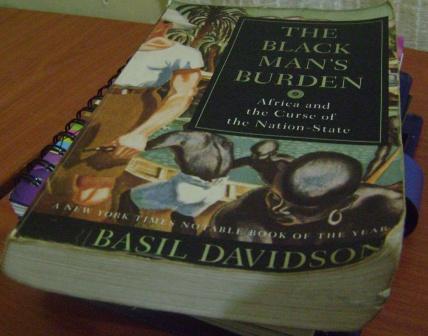
Among books that should be part of the content taught in schools in Africa:
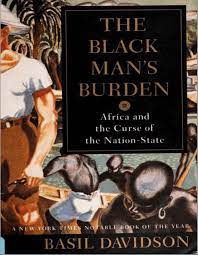 “All he could tell about it, meanwhile, was its name. “Kano, K-a-n-o. Ever heard of it? Of course you haven’t. It’s there, though. He spat into the sand but with a certain respect. “It’s old, they say. Five hundred years old, they claim. Don’t see how it can be though.” I found out later. Kano was seven hundred years old, if not a lot more. But even five hundred years meant history, and there wasn’t any history in Africa, as far as I’d ever been taught.”






Let’s Chat…