

The President Museveni led National Resistance Movement (NRM) Administration promotes a single story that there is a need to modernize Uganda’s agriculture from ‘subsistence farming’ to commercial farming.
This single story suggests that commercialization of agriculture will usher in better utilisation of Uganda’s land that is claimed currently underutilized by the majority who are categorised smallholder subsistence farmers.

One of the modernization views that they promote is that smallholder farmers, if allowed to continue producing, should be grouped in zones (zoned/zoning) so that farmers within a particular zone should mono-crop and all produce a single crop. Apparently, zoning will ensure farmers produce significant bulked quantities of produce from that single crop in order to supply it to industrialists for value addition.
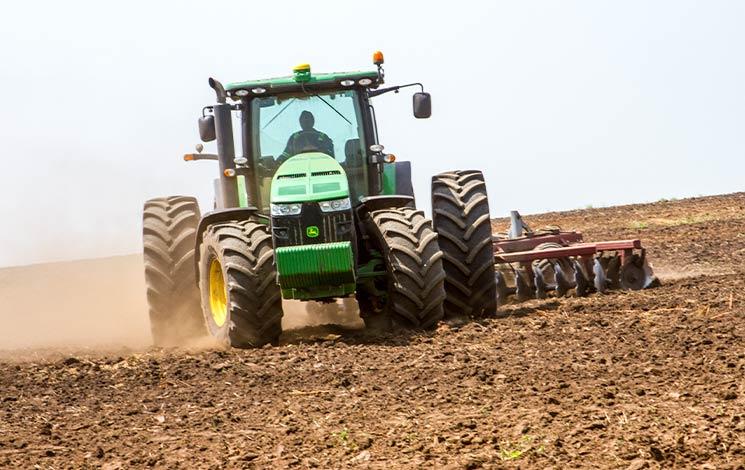
Another modernization view that they promote is that smallholder farmers should be replaced on the land by large scale farmers. Large scale farmers in this context are often viewed as those who have the capacity to produce large quantities, usually through mono-cropping and through the use of high technology – including machinery, artificial fertilisers and pesticides and perhaps even genetically modified crops.
The premise of that single story – modernizing Uganda’s agriculture – is the idea that it is better for Uganda’s farmers to grow to sell and then buy to eat.
The rationale for that single story hinges on reasoning that if Uganda’s farmers move away from ‘subsistence farming’ into commercial farming then Uganda will become primarily an exporter of value added products as opposed to being mainly an exporter of primary products; thus earning more through international trade.
Inbuilt within the modernize agriculture paradigm’, most importantly, is the acceptance, consciously or sub-consciously, of covert agrarian reform – changes in the way Uganda’s agricultural land is used and by whom.
Changes in the way that agricultural land is used normally have a knock on effect of changing the status of smallholder farmers to something else. For example, through land alienation, they become landless urban dweller service providers, who are net buyers of food; or food traders, etc.
 A male beauty salon service provider (Photo credit: Amy Fallon in take part)
The problem is that the long term impact of the change in status for smallholder farmers is rarely and is scantily accommodated within the dominant discourse of that single story.
- What is the long term impact on Uganda’s smallholder farmers of ‘modernization’ interventions which change the way in which Uganda’s agricultural land is used?
- Are all Ugandans equally impacted – positively or negatively?
- If negatively impacted, what legal recourse is provided within the Laws of Uganda and international law for those so impacted?
- How may those who are negatively impacted be assisted to seek redress and justice?





 the Humanist view
Leave a reply to Prof. Latigo, GMOs & Land Give Aways | The humanist view Cancel reply