
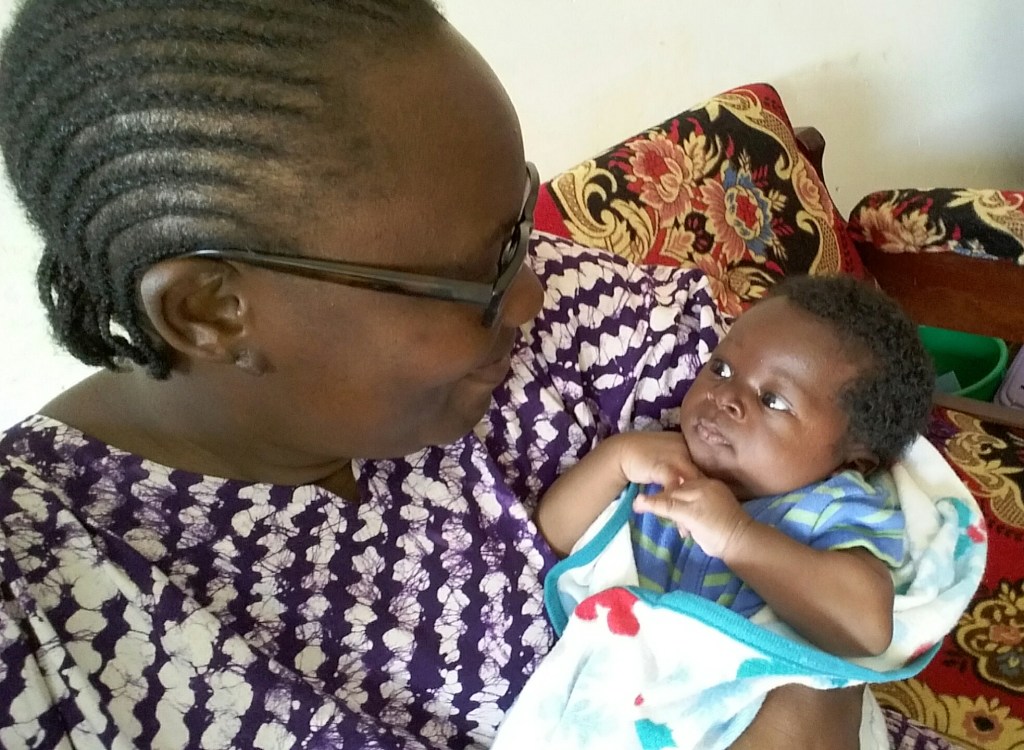
In the past, it would be like, today a woman in the other home has delivered a baby and we would all go for etal (a custom – in this case, ceremonies to celebrate the birth of a new child).
Part of the naming ceremony was that when a name is given, the mother gives the baby the breast to suckle. If the baby does so, then it has accepted the name. If it doesn’t then it has rejected the name.
That is why, those days, an announcement would be made that a woman has borne a child and today is the naming ceremony. The clan would gather and the child would be given a name.
“Outeke was the second son of Oputan, whose father was Ejiet, whose father was Opus. Outeke has twelve surviving daughters and one surviving son. The first daughter was named Adeke, to ward off evil, and Kemerapus after Outeke’s sister. Twins were called Apio and Odongo, but Odongo died. So did Outeke’s next eldest son, called Oputan after Outeke’s father, and the next son named Ejiet after Outeke’s grandfather. The next son was taken through the wall of the hut and given a derogatory name, Okia (medicine). He has survived.”
J. C. D. Lawrance in his book “The Iteso”
These days, however, you give birth to your child and you walk back alone lere, lere. And that is why these days, if the president comes to visit here, even today, you will see how someone will lift up a child and say: “this is Museveni,” instead of naming the child the father’s name.
Parents of these days remove the respect of their parents, grandparents, ancestors, on grounds that they do not like their names – names like “Apulengeria”, which do not sound modern. And this is the case of all Iteso – the ‘educated’, those in urban centres, those in the village, all.

Ebe Museveni. Museveni is just a visitor who has come to visit you and then you name your child a visitor’s name! Ebe Obama – names for which you don’t know their meaning and the deeds of that person. You find a child shares a name with a dog.
This naming of children other people’s names has interfered with the Iteso socialisation system. Those days, the one whose name is given to a child had a role to play in socialising their namesake.
Save for the quotation from Lawrance’s “Iteso”, these words of wisdom are extracted from a transcript of a focus group discussion, conducted in November 2016, in which the participants were women, Ateso, residents of Ajesa village, in Serere District, in Teso Region, in North-Eastern Uganda.




 Humanist
Leave a reply to Stan Burkey Cancel reply