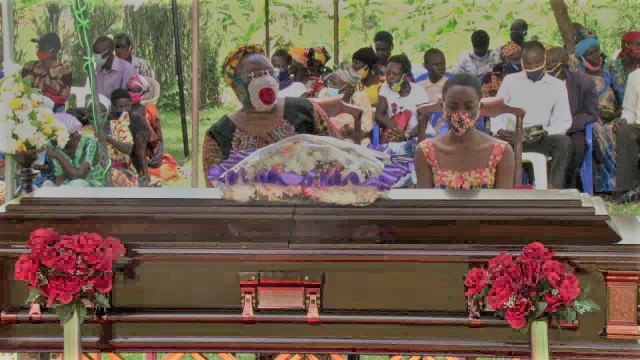

Papa Ejakait Ssalongo Engineer George William Obityo Owaraga, my father, rested. His medical team at the Intensive Care Unit of Uganda Martyrs Hospital Lubaga in Kampala pronounced him transitioned at 12:41 a.m. on 1st November 2020.
Later that evening and after A-Plus Funeral Management had prepared his body, his remains were brought back to his home in Entebbe for an overnight vigil. The next day, on 2nd November, his body was brought to his ancestral home in Pallisa for another overnight vigil.
Thereafter, on 3rd November, papa’s body was laid down his chosen final resting place in his home in Pallisa.
From the time that I was borne, I became papa’s cultural mother, his toto. This is because I am named after his mother, my grandmother, my tata.
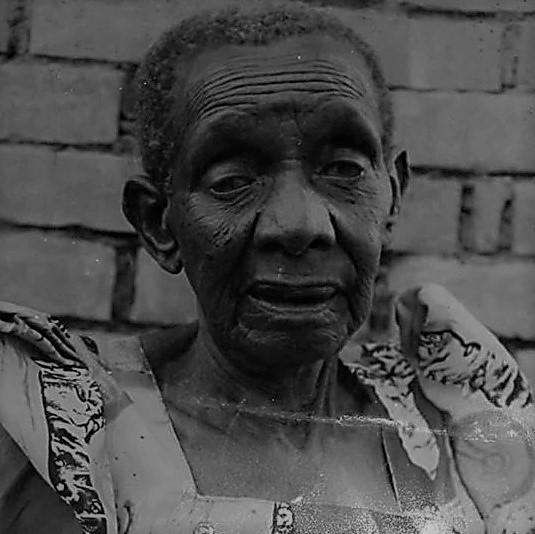 Tata Joyce Mary Alinga, mother of Papa Owaraga, continue your rest in power
I have great memories of when papa protectively told someone off, or assured another, or reminded another that I am his toto. Interestingly, many who associated closely with papa, either never got to know or they forgot tata’s name and assume my name is tata’s names.
At the burial, it was flattering to hear people use my name, “Norah Alinga”, to refer to my tata, as opposed to her own name, “Joyce Mary Alinga”; a name that is clearly engraved on her tomb stone.
I have digressed. Back to the burial ceremony of papa. According to Iteso culture:
“The funeral ceremony is in two parts, aipuduno and asuban. Aipuduno is the ceremony of taking out the corpse from the house. It lasts about three days.
Mourning is always exaggerated. It is suggested that a modicum of grief is magnified into wild despair by a desire to avoid any suspicion of having been concerned in the death of the person lamented, either by poison or some form of witchcraft.
It is customary to show grief by committing suicide. People have been known to impale themselves on stakes, to hurl themselves on spears, or dash their heads on a rock. Another may hang himself or rupture his larynx by a sharp blow upon the edge of an eritei, or winnowing tray.
After the body had been committed to the grave mourners used to shave their heads.”
J.C.D. Lawrance (1957) in his book: “The Iteso – Fifty years of change in a Nilo-Hamitic tribe of Uganda”
And so it was that I did my best to adhere to Iteso culture as I mourned my cultural son, the Chief of the Ikariwbok Isekelio Clan of the Iteso.
On the morning of the day that his body was buried, I rose early, the time I usually rose so as to prepare and serve papa’s breakfast on time. Recalling how my tata and her team of professional mourners did it, I wailed as I called out:
“Good morning papa, it is time, wake up and get ready so you can take breakfast and take your medication. Good morning papa …”
Alinga Norah
I walked several times around his body, wailing and hugging the coffin, to show my grief and also so as to let some of the pain out and get closure.
By the time the other activities of aipuduno commenced, I was composed. Throughout the speeches and prayers and with Valerie Alinga III, my niece named after me, beside me, we sat next to papa’s body in the coffin. What an honour for his cultural toto.
During the final prayers, my role as cultural toto was further re-affirmed. I had the honour to read out loud papa’s favourite Bible passage, Psalm 23, which we used to read to him each day.
By the time papa’s body was laid down, I had achieved closure, and me thinks, my cultural son would have been proud of his aipuduno ceremony.
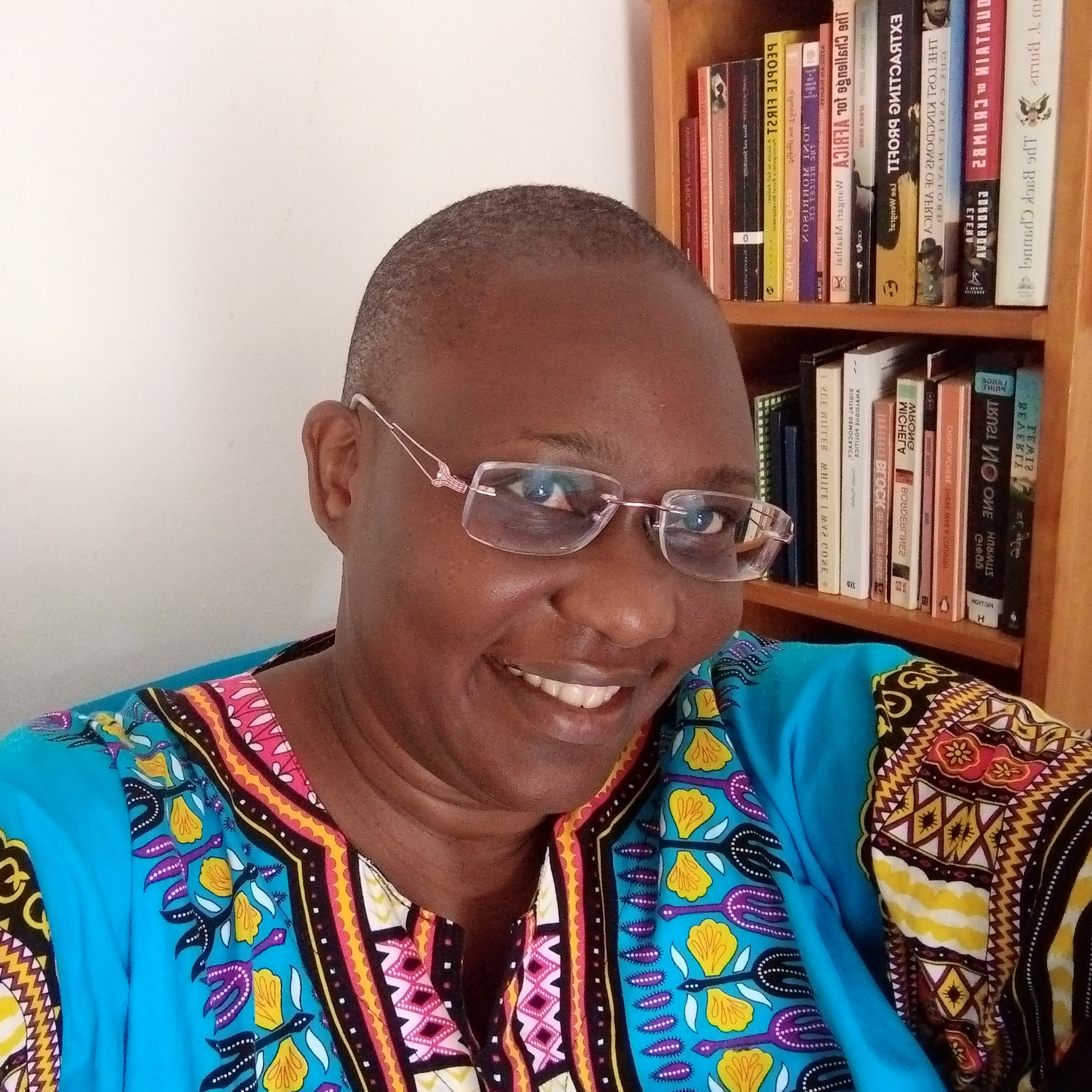 Finally, yes, I didn’t commit suicide, but, as sign of mourning, I have shaved my head.
Part II, papa’s asuban (memorial ceremony), according to Iteso culture, is at least one year away, probably even five years away, for papa was an important man, deserving of a long mourning period.




 the Humanist view
Leave a reply to Leaving a legacy is about your deeds and actions – papa’s live on – nowaraga.com Cancel reply