

I have just had an interesting telephone conversation with Professor Samwiri Lwanga Lunyiigo who insists that the word “Bukedi” (plural) is a Luganda word derived from the word “Mukedi” (singular); which words refer to people that are either half naked or fully naked (not wearing clothes).
However, Prof. Lunyiigo acknowledged that he was not certain of the origin of these two words phonetically. The words for naked in Luganda sound totally different from “Bukedi” and there is not a stand alone word “Bukedi’ in Luganda.
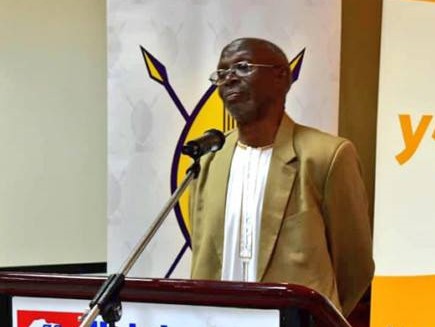 Professor Samwiri Lwanga Lunyiigo
When I shared with him the school of thought that the word “Bukedi” could be a domestication of the word “naked”, Prof. Lunyiigo, is of the view that it is unlikely so, because the locals in the area now known as “Bukedi” in the 19th Century, pre-colonisation, did not know English.
“According to The Uganda Journal Vol. 19, No.1 of March 1955, Capt. Kirk Patrick in 1898 stated that the northern, eastern and southeastern shores of Lake Kyoga were inhabited by Wakedi. The nickname Wakedi reportedly coined for the half-dressed locals putting up resistance towards the colonising forces of the time. The journal further indicates that when John Speke reached Uganda in 1862, the name Kidi was known throughout the area. It applied to the not-yet subdued and unclad (not wearing clothes) tribesmen who lived on the east side of the River Nile opposite Bunyoro Kingdom. However, historical documents from Teso suggest the name comes from Ikidea, the people of the east (Kide), in reference to the locals of present-day Bukedea district.”
Source: George Bita’s “The growth of Bukedi Sub-Region” published in the New Vision
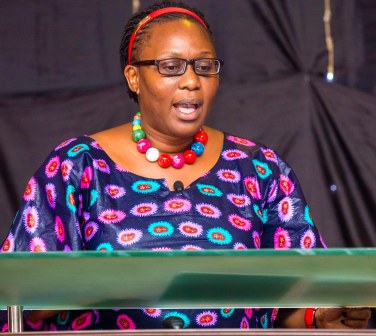
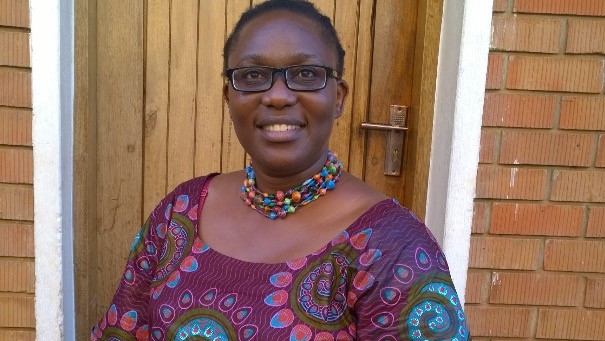
 Deputy Speaker Anita Annet Among
Yes, the plot thickens. Is “Bukedi” a Luganda word or an English-Luganda word or a Luganda-English word or a word in Ateso? Fascinating indeed that Bukedi could be the original reference for people of Bukedea District the homeland of our current Deputy Speaker of the Parliament of Uganda, Anita Among
My search continues …




 Humanist
Leave a reply to G. Okoth Cancel reply